
No Mercy
1986
No user ratings available yet
Representation score: 0.4 out of 10
Representation Score
Limited
1985
RDirector
William Friedkin
Runtime
116 minutes
Average Rating
No ratings yetNew Showbiz Analysis
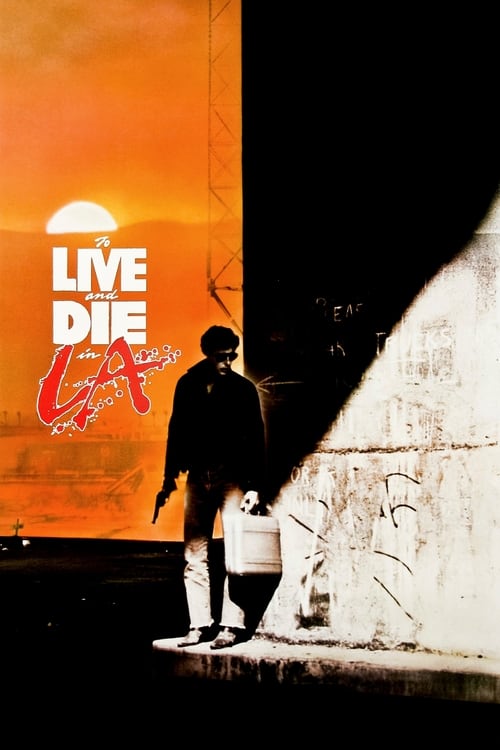
To Live and Die in L.A. is a gritty crime thriller that emphasizes thematic subversion over broad demographic representation. While it falls short in representing diverse identities related to race, gender, and LGBTQ+ status, it excels in its intellectual critique of authority. The film's strength lies in its postmodern approach to the 'heroic cop' archetype. It replaces traditional notions of justice with a nihilistic framework where the distinctions between law enforcement and criminals are deliberately blurred. Ultimately, the film serves as a study of moral relativism and institutional decay rather than a diverse social landscape.
Category Breakdown
The film focuses on heterosexual relationships and traditional gender roles without including any non-binary or transgender characters. It doesn't challenge the typical norms around gender and sexuality.
The story revolves around male-dominated professions and masculine traits such as obsession. Female characters play supporting roles, influencing the male protagonists' emotional and professional journeys.
The cast is mainly composed of white actors, reflecting the specific socio-economic context of the Secret Service and the counterfeiting world. The film lacks a diverse range of racial backgrounds.
The film effectively critiques Western institutions and the legal system. It highlights how the pursuit of justice can lead to moral decay and systemic corruption.
There is no significant portrayal of visible or invisible disabilities, neurodivergence, or chronic illnesses among the main characters.
Present on Screen
Limited or Absent
Official Synopsis
When his longtime partner on the force is killed, reckless U.S. Secret Service agent Richard Chance vows revenge, setting out to nab dangerous counterfeit artist Eric Masters.
1986

1973
1971

1981

1986

1975

1998
1990
No reviews yet. Be the first to share your thoughts on this movie!
Use the rating form above to leave a star rating and optional review.