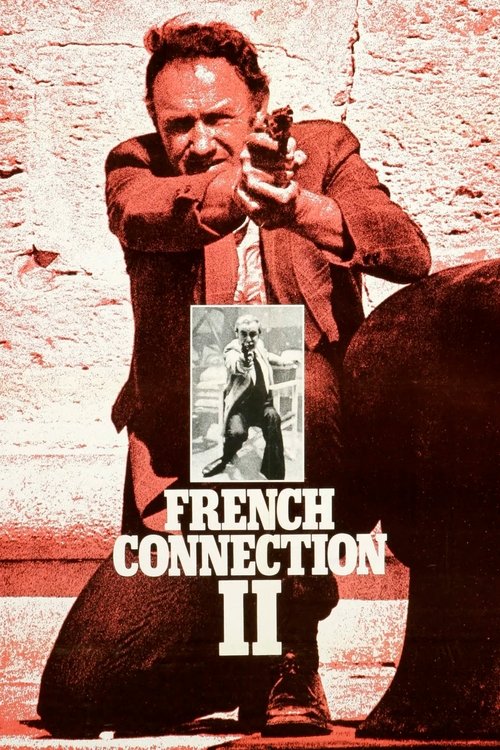
French Connection II
1975
No user ratings available yet
Representation score: 1.2 out of 10
Representation Score
Limited
1971
RDirector
William Friedkin
Runtime
104 minutes
Average Rating
No ratings yetNew Showbiz Analysis
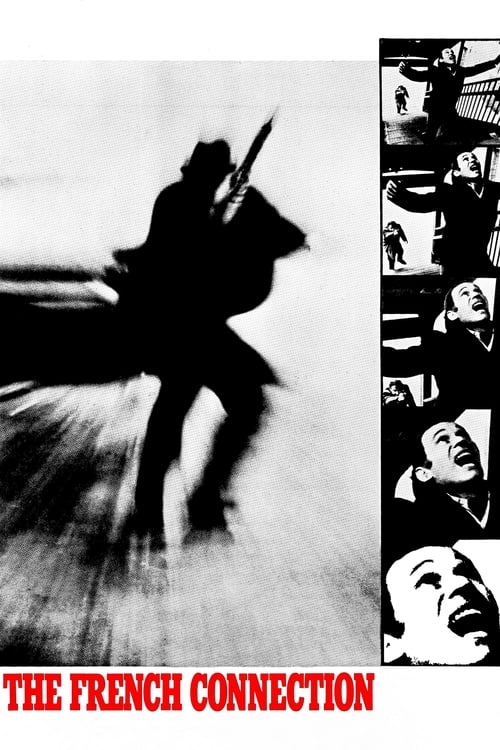
The French Connection is a gritty, realistic portrayal of New York City that emphasizes atmospheric authenticity over social representation. It creates a detailed, multi-ethnic urban environment reflecting the socioeconomic realities of 1971 New York. However, the film maintains traditional social dynamics centered on a hyper-masculine worldview. It excludes LGBTQ+ identities and sidelines women's ability to drive the story, positioning women in peripheral roles. While the film provides a nuanced critique of institutional morality and systemic corruption, it lacks depth in representing diverse identities. Its narrative remains anchored to a white, male-centric perspective, limiting its broader diversity impact.
Category Breakdown
The film does not include any LGBTQ+ characters or explore non-cisgender identities.
The narrative focuses on a hyper-masculine world where women play minor roles and have little influence over the main storyline.
New York City is shown as a diverse urban area with various ethnic backgrounds, but the story revolves around a white protagonist.
The film looks at moral relativism through its protagonist's disregard for legal rules. It portrays a gritty rebellion against formal authority and systemic corruption.
The film does not significantly represent physical or neurodivergent conditions.
Present on Screen
Limited or Absent
Official Synopsis
Tough narcotics detective 'Popeye' Doyle is in hot pursuit of a suave French drug dealer who may be the key to a huge heroin-smuggling operation.
1975
1973
1985
1971

1968
1973
1985

1992
No reviews yet. Be the first to share your thoughts on this movie!
Use the rating form above to leave a star rating and optional review.