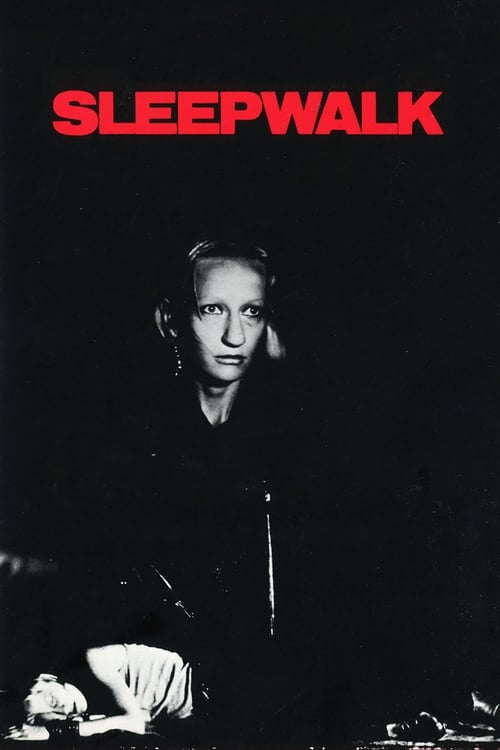
Sleepwalk
1986
No user ratings available yet
Representation score: 6.0 out of 10
Representation Score
Limited
2010
Director
Ekaterina Grokhovskaya
Runtime
90 minutes
Average Rating
No ratings yetNew Showbiz Analysis
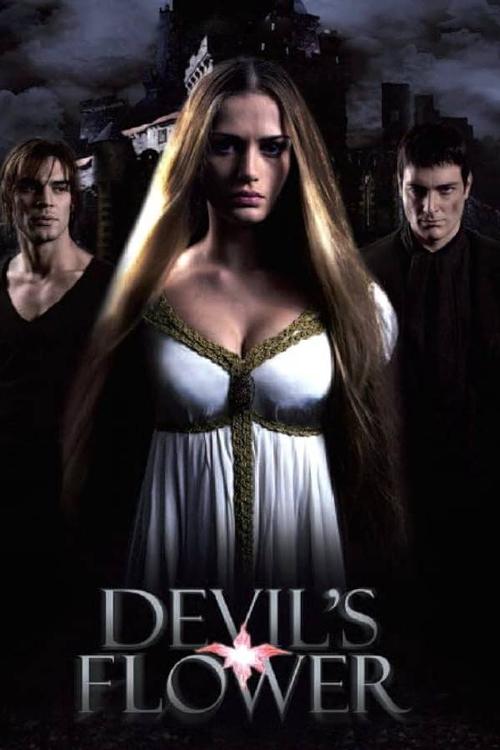
The film functions as a character-driven romantic fantasy emphasizing psychological exploration over broader social themes. It successfully grants the female protagonist significant intellectual ability to act, moving her away from traditional passive roles. However, the narrative remains confined within conventional social and demographic frameworks. While the mystical elements offer a departure from linear realism, the film lacks depth in exploring diverse backgrounds. The setting and casting are highly localized, offering limited representation of varied racial or ethnic groups. Ultimately, the work delves into destiny and subjective experience through a narrow lens. It avoids many genre clichés but adheres to traditional romantic and cultural boundaries.
Category Breakdown
The story focuses on a romantic relationship between Polina and Sasha. There are no direct references to LGBTQ identities or non-straight relationships.
Polina is the main character driving the mystery rather than a passive figure. She avoids the damsel-in-distress cliché but the romantic subplot follows traditional relationship dynamics.
The film features a predominantly Russian cast reflecting the local demographics without including multicultural casting.
The film uses mysticism and a 'living book' concept to challenge secular views. It explores personal, psychological fantasies rather than institutional critiques of religion.
No characters are shown dealing with physical or neurological disabilities. The protagonist’s dreams serve as mystical plot devices rather than clinical conditions.
Present on Screen
Limited or Absent
Official Synopsis
College student Polina dreams of a mysterious flower on the gate of a medieval castle, which has incredible gravity. She tells her friend, who is interested in mysticism, about the dream. Mysteriously, they find an ancient book and discover in it a print depicting the same flower as in Polina's dream, as well as six mysterious blank pages.…
1986
2005
2005
2007
2019
2011
2009
1997
No reviews yet. Be the first to share your thoughts on this movie!
Use the rating form above to leave a star rating and optional review.