Comme les doigts de la main
1985
No user ratings available yet
Representation score: 3.0 out of 10
Representation Score
Limited
1979
Director
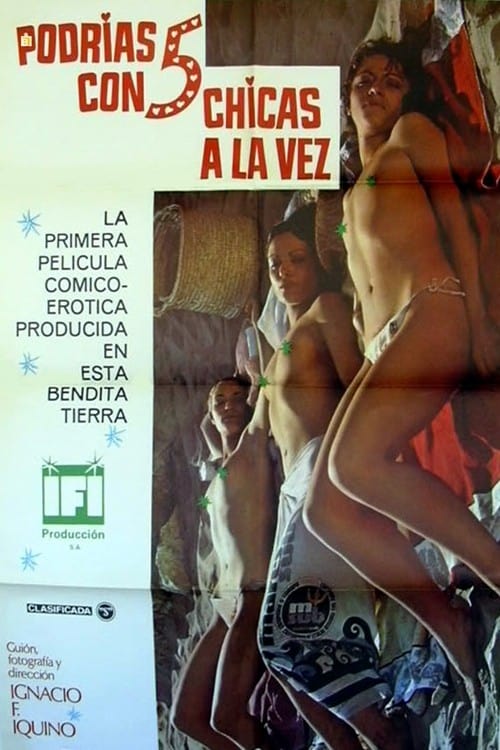
Ignacio F. Iquino
Runtime
100 minutes
Average Rating
No ratings yetNew Showbiz Analysis
This 1979 comedy adheres to the traditional romantic clichés of its time, emphasizing conventional courtship and Mediterranean social dynamics. The narrative structure prioritizes these elements over social critique. The film lacks engagement with diverse identities, focusing instead on a localized and homogeneous perspective. While women play active roles in the plot, they operate within a framework that supports a male-centric romantic goal. Ultimately, the work reflects the demographic and social standards of late-70s Spanish cinema, offering little disruption to established cultural hierarchies.
Category Breakdown
The film does not include any explicit LGBTQ+ narratives or non-straight relationships. It focuses on traditional romantic pursuits centered around heterosexual attraction.
Female characters actively participate in driving the plot toward a romantic resolution. However, their roles primarily serve to support the male protagonist’s romantic goals.
The production likely mirrors the demographic homogeneity of late-1970s Spain. There is no indication of diverse casting or characters from different racial backgrounds.
The story follows conventional social norms and traditional courtship structures. It does not challenge or critique Western or secular social norms.
There is no mention of characters with visible or invisible disabilities in the narrative.
Present on Screen
Limited or Absent
Official Synopsis
A guy becomes infatuated with a woman (as it takes four months) and her friends help the triumph of love.
1985

1976
1992
1994

1959
1967

1962

2009
No reviews yet. Be the first to share your thoughts on this movie!
Use the rating form above to leave a star rating and optional review.