
The Bolshoi
2016
No user ratings available yet
Representation score: 4.6 out of 10
Representation Score
Good
2018
Not RatedDirector
Icíar Bollaín
Runtime
115 minutes
Average Rating
No ratings yetNew Showbiz Analysis
Yuli is a sophisticated exploration of bodily autonomy and the tension between individual identity and provincial social structures. It excels by focusing on women's ability to drive the story and challenging the surveillance inherent in small-town hierarchies. The film's strength lies in its nuanced portrayal of identity and its refusal to adhere to moral absolutes. By prioritizing the lived experiences of those navigating restrictive environments, it disrupts conventional domestic expectations. While the regional setting limits racial diversity, the film effectively uses class and social exclusion to provide depth. It remains a powerful critique of traditionalism and patriarchal regulation.
Category Breakdown
The film delves into LGBTQ identity and desire, presenting these aspects as essential to the protagonist's journey towards self-determination rather than superficial inclusion. It avoids treating queer identity as a caricature.
The narrative emphasizes women's ability to drive the story and their reproductive autonomy, challenging traditional gender roles. It highlights the emotional labor involved in navigating a society that regulates women's bodies.
Set in rural Spain, the film's racial diversity is limited by its specific regional context. However, it uses class to challenge idealized views of Mediterranean life.
The story questions traditional Western institutions and the moral authority of the community. It portrays individual autonomy as crucial for self-actualization against oppressive social norms.
There are no prominent depictions of visible or invisible disabilities that play a central role in the plot.
Present on Screen
Limited or Absent
Official Synopsis
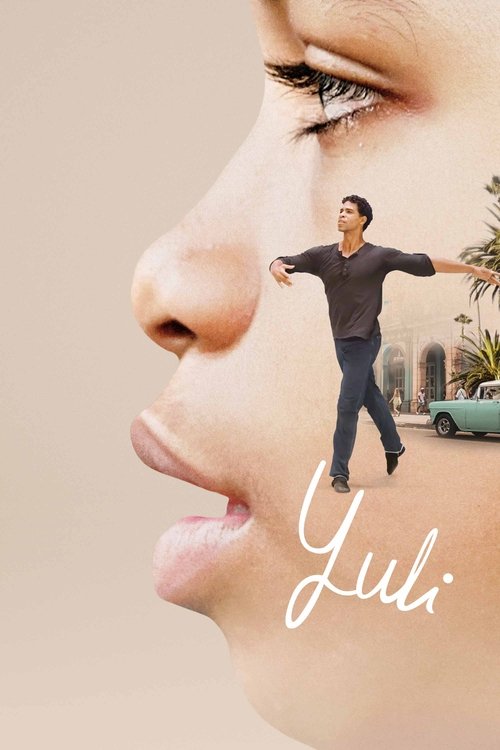
Yuli is the nickname given to Carlos Acosta by his father, Pedro, who considers him the son of Ogun, an African god and a fighter. As a child Yuli avoids discipline and education, learning from the streets of an impoverished and abandoned Havana. His father, however, has other ideas, and knowing that his son has a natural talent for dance, sends him to the National Ballet School of Cuba. Despite his repeated escapes and initial poor behaviour, the boy is inevitably drawn to the world of dance, and begins to shape his legendary career from a young age, becoming the first black dancer to be cast in some of the most prestigious ballet roles, originally written for white dancers, in companies such as the Houston Ballet or the Royal Ballet in London.
2016
2016
2023

2023
2016
2017
2020
2010
No reviews yet. Be the first to share your thoughts on this movie!
Use the rating form above to leave a star rating and optional review.