The American
2023
No user ratings available yet
Representation score: 7.9 out of 10
Representation Score
Fair
2016
Director
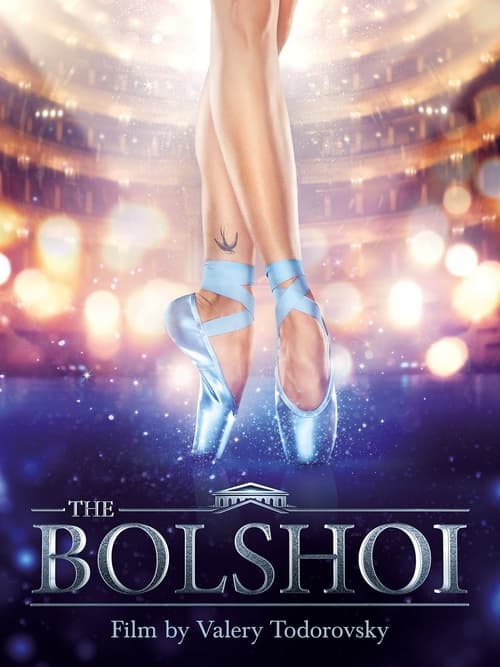
Valery Todorovsky
Runtime
132 minutes
Average Rating
No ratings yetNew Showbiz Analysis
The film serves as a character study of ambition and the heavy cost of institutional assimilation. It prioritizes the psychological tension between personal identity and systemic expectations over broad demographic variety. While the film lacks explicit LGBTQ+ or racial diversity, it offers a nuanced critique of elite cultural institutions. It replaces the traditional glamour of the stage with a gritty look at professional achievement. Ultimately, the work finds its strength in women's ability to drive the story and the deconstruction of prestige, even as it remains localized within a relatively homogeneous social context.
Category Breakdown
The film focuses on a female protagonist's journey in classical ballet. There are no explicit queer characters or non-straight relationships, although the theme of self-denial suggests possible identity repression.
The film centers on a strong female lead and her pursuit of excellence. By showcasing a rebellious protagonist and authoritative female figures, it challenges traditional submissive feminine roles.
Set in a provincial Russian mining town and the Bolshoi Theatre, the story emphasizes class mobility. The demographic appears relatively homogeneous, reflecting the specific historical and social context.
The film deconstructs the romanticized view of high culture. It portrays the Bolshoi not as glamorous, but as a site of systemic pressure and grueling institutional struggles.
There are no characters with physical or neurodivergent disabilities mentioned. Without specific evidence of such characters, there is no representation of disabilities in the narrative.
Present on Screen
Limited or Absent
Official Synopsis
Young and extremely talented dancer Yulya Olshanskaya from a small mining town draws a “happy ticket”: she is noticed by a former ballet dancer Pototsky and he promises her a future of great ballerina, worthy of the main stage of the country. However, in order to become a diamond, anyone, even the most outstanding brilliant, needs to be cut, and the way to the legendary stage of The Bolshoi Theatre for Yulya lies through the walls of the ballet school, where the more capricious teacher Galina Mikhailovna Beletskaya takes custody of the rebellious provincial. Turning into a prima will require incredible self-denial, and Yulya herself will have to make sure that the big ballet is not only the whiteness of the packs, the gold of the boxes and the slip of silk ribbons. But no obstacles will stop the one who has the big dream.
2023

1991
2016
2018
1983
2018
2018
2000
No reviews yet. Be the first to share your thoughts on this movie!
Use the rating form above to leave a star rating and optional review.