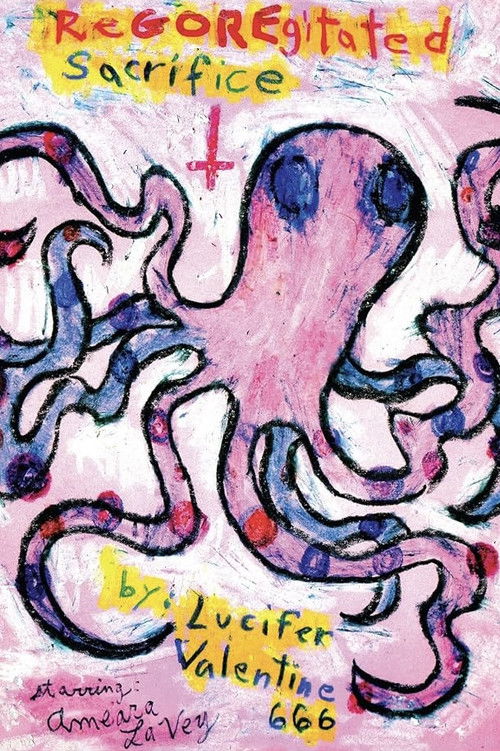
ReGOREgitated Sacrifice
2008
No user ratings available yet
Diversity score: 4.0 out of 10
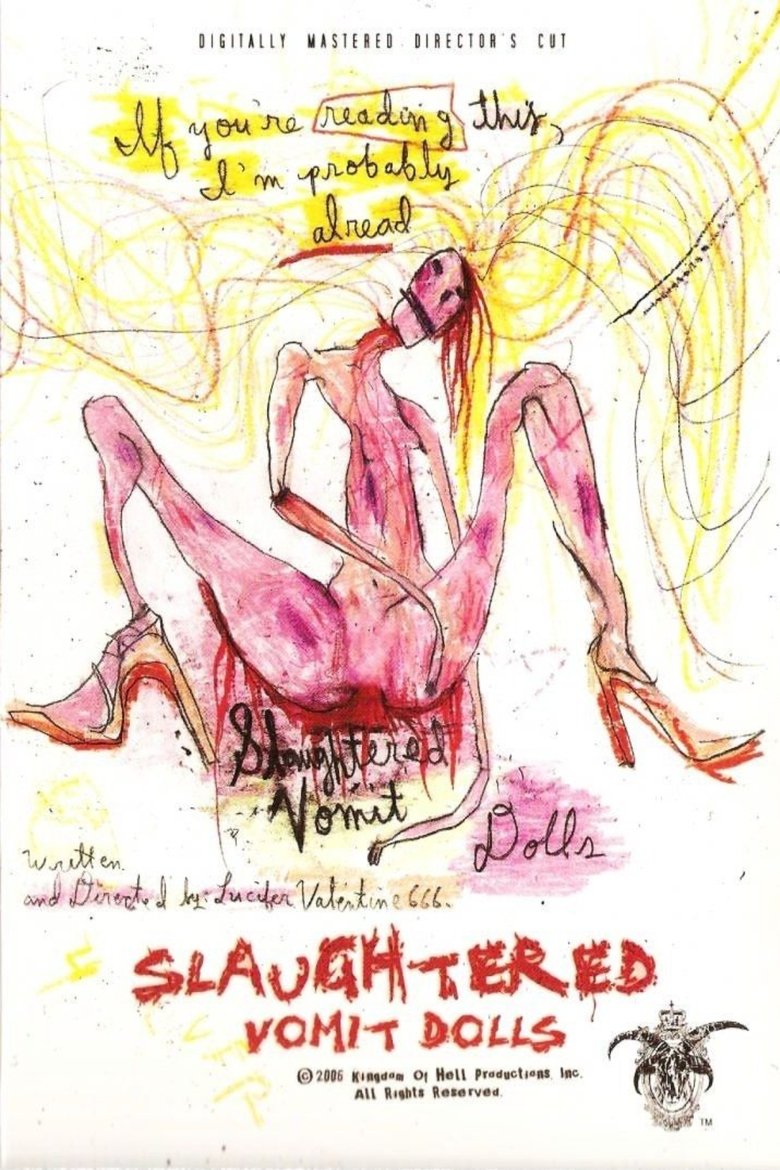
2006
UnratedDirector
Lucifer Valentine
Runtime
71 minutes
Average Rating
No ratings yetSynopsis
The gruesome tapestry of psychological manifestations of a nineteen year old bulimic runaway stripper-turned prostitute as she descends into a hellish pit of satanic nightmares and hallucinations.
Overall Score
Good
Category Breakdown
LGBTQ+ Representation
The film centers on trans feminine identities, disrupting heteronormative cinematic structures. This placement of trans women in the protagonist role offers a significant departure from mainstream horror tropes.
Gender Representation
The narrative focuses on marginalized femininity through a lens of extreme trauma and bodily dysmorphia. It deconstructs idealized womanhood by depicting a visceral descent into psychological collapse.
Racial & Ethnic Diversity
There is insufficient evidence to provide a definitive score regarding racial or ethnic diversity. The film's focus remains on individual psychological manifestations and transgressive aesthetics.
Religious & Cultural Diversity
The work critiques traditional social stability by prioritizing a subjective, hallucinatory morality. It frames Western social structures, like the family unit, as inherently failing or oppressive.
Disability Representation
Mental health struggles and bulimia are central to the character's identity. However, the depiction leans into the grotesque, blurring the line between representation and transgressive aestheticism.
Strengths
Areas for Improvement
AI Analysis
Slaughtered Vomit Dolls distinguishes itself by placing trans feminine identities at the center of its transgressive horror landscape. By centering non-cisnormative identities, the film actively disrupts the traditional heteronormative structures often found in mainstream horror. The film also explores the deconstruction of femininity and social stability. It portrays the protagonist's struggle with bulimia and systemic failure, challenging conventional Western ideals of family and social order through a raw, hallucinatory lens. However, the film's reliance on the 'grotesque' to depict mental health and eating disorders complicates its impact. While these elements are central to the character's agency, they are often used as tools for shock rather than nuanced representation.
No reviews yet. Be the first to share your thoughts on this movie!
Use the rating form above to leave a star rating and optional review.