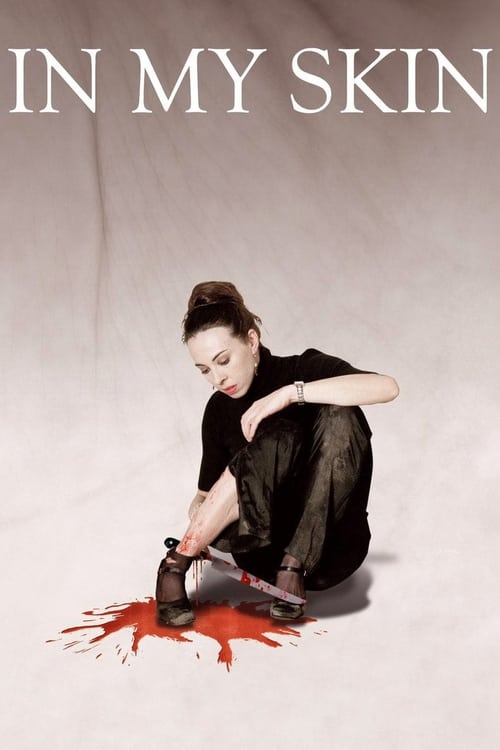
In My Skin
2002
No user ratings available yet
Representation score: 6.7 out of 10

Representation Score
Excellent
2012
UnratedDirector
Mika Ninagawa
Runtime
127 minutes
Average Rating
No ratings yetNew Showbiz Analysis
Mika Ninagawa’s *Helter Skelter* is a strong critique of the pressures in the fashion industry. It dismantles the empty pursuit of perfection and the psychological tactics used to maintain a commodified image. The film excels by challenging traditional social structures and the predatory nature of capitalist beauty standards. However, the film’s handling of sensitive topics can be problematic. Using mental instability and physical trauma as horror elements can feel more like stylistic choices than nuanced portrayals of neurodivergence or physical disabilities. Furthermore, focusing on a specific Japanese elite society limits broader ethnic diversity. Overall, the film is a powerful yet unsettling look at how modern culture sets unattainable standards, transforming the quest for an ideal into a descent into nightmare.
Category Breakdown
The film explores the idea of identity and personal freedom through surgery. Though it doesn't have clear LGBTQ+ romantic stories, it looks at different ways people understand themselves beyond traditional gender roles.
The main character breaks the typical passive role of women by becoming destructive. The movie questions the male perspective and the way women are turned into commodities.
Set in the Japanese fashion world, the film works within a specific cultural norm. It uses highly stylized visuals to challenge usual views of Japanese identity.
The story criticizes consumer capitalism and the harmful nature of the beauty industry. It breaks down modern beauty standards as a kind of self-harm.
Mental health and physical injuries are key to the story. However, these elements are sometimes used as horror devices, which might risk treating instability as a style choice rather than a serious issue.
Present on Screen
Limited or Absent
Official Synopsis
Top model Lilico, having recently undergone multiple cosmetic surgeries, begins to experience troubling side effects. As she desperately tries to retain her perfect image, Lilico descends into a world of nightmares and makes those around her miserable.
2002
1960
2021

2010

2016

2012
1991

2013
No reviews yet. Be the first to share your thoughts on this movie!
Use the rating form above to leave a star rating and optional review.