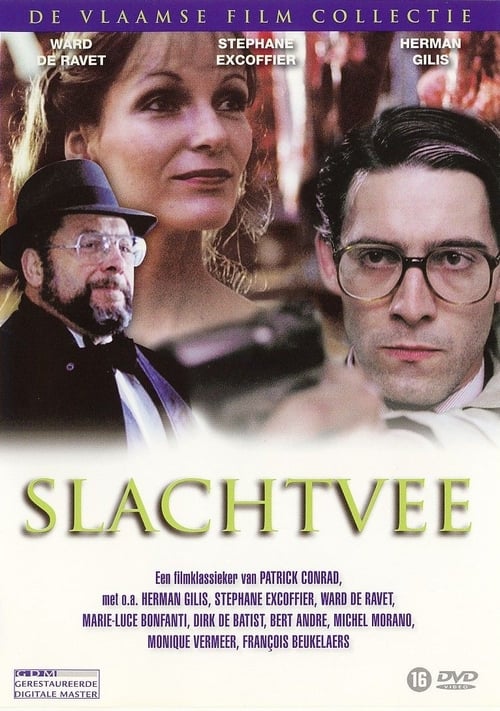
Beef Cattle
1979
No user ratings available yet
Diversity score: 3.2 out of 10
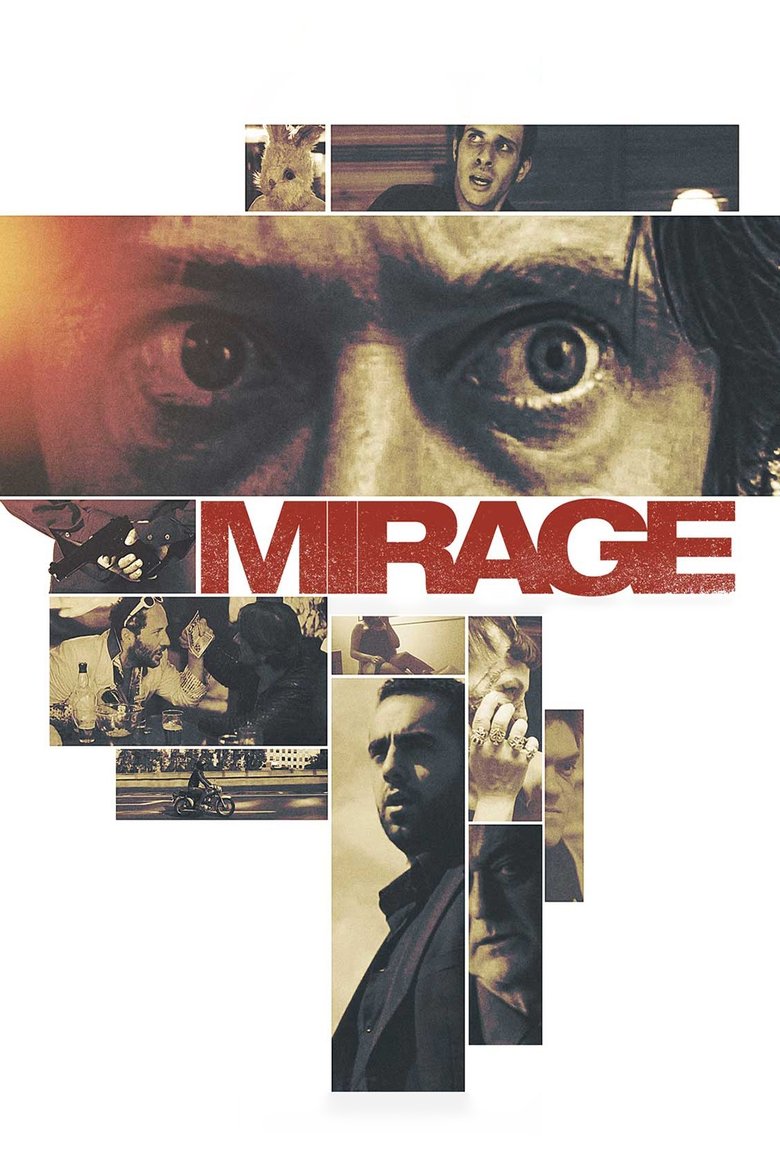
2018
Director
Christophe Beaucourt
Runtime
90 minutes
Average Rating
No ratings yetSynopsis
A desperate photographer who suffers from a degenerative eye disease and a husband who wants to kill his dying wife, plot to recover her life insurance.
Overall Score
Fair
Category Breakdown
LGBTQ+ Representation
The film lacks any evidence of LGBTQ+ characters or non-cisnormative identities. The central conflict remains strictly within a traditional marital framework.
Gender Representation
The story subverts traditional male roles by portraying the husband as a greedy conspirator rather than a stable provider. However, the female lead lacks agency, appearing primarily as a victim of disease and betrayal.
Racial & Ethnic Diversity
There is no information available regarding the racial or ethnic composition of the cast. Consequently, the diversity of the characters' backgrounds cannot be determined.
Religious & Cultural Diversity
The narrative challenges the sanctity of the nuclear family and Western moral frameworks. It focuses on situational ethics and the breakdown of social contracts through insurance fraud.
Disability Representation
A protagonist's degenerative eye disease provides a central focus on physical impairment. The film uses this condition to explore themes of physical decline and desperation.
Strengths
Areas for Improvement
AI Analysis
Mirage is a psychological thriller that prioritizes moral relativism over identity-based representation. It finds its strength in deconstructing the domestic unit, portraying the marriage not as a sanctuary, but as a site of corruption and greed. The film lacks explicit markers for LGBTQ+ or racial diversity, making it a narrow study of human desperation. While it avoids traditional tropes of the 'stable husband,' it does so through a lens of criminality rather than progressive social restructuring. Ultimately, the work succeeds in exploring the breakdown of social contracts and the lived experience of physical decline, even if it fails to provide a broad spectrum of diverse identities.
1979

2001

2017

2000

2016

2017

2007
2006

2006
2015

2016

2017
No reviews yet. Be the first to share your thoughts on this movie!
Use the rating form above to leave a star rating and optional review.