Overcoming
2005
No user ratings available yet
Representation score: 1.0 out of 10
Representation Score
Limited
2014
TV-GDirector
John Dower
Runtime
77 minutes
Average Rating
No ratings yetNew Showbiz Analysis
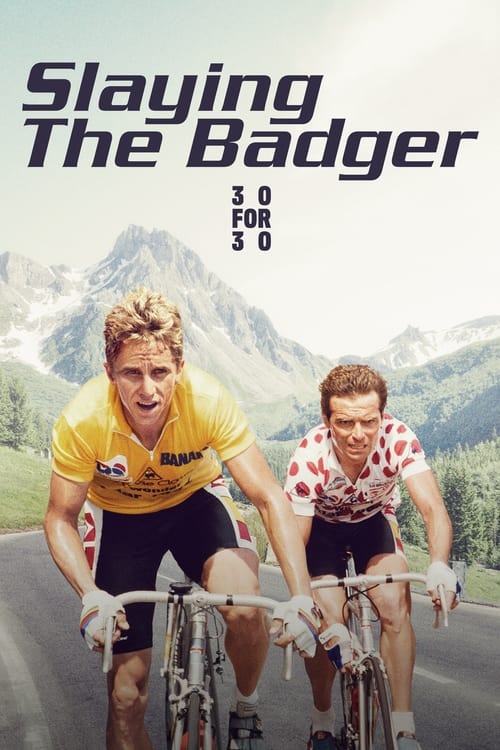
Slaying the Badger is a focused character study of competitive excellence and interpersonal betrayal. It deconstructs the myth of professional camaraderie within the high-stakes world of the Tour de France. However, the film operates within a very traditional demographic and gendered framework. The narrative is confined to a specific historical and cultural context, prioritizing the rivalry between two white male athletes. While the film offers a cynical critique of institutionalized cooperation, it lacks broader progressive representation, focusing strictly on the individualistic pursuit of glory within a narrow social lens.
Category Breakdown
The film focuses on the hyper-masculine environment of 1980s professional cycling. There are no LGBTQ+ characters or narratives addressing non-straight relationships.
The documentary centers on a male-dominated sporting landscape. It reinforces traditional masculine traits like dominance and physical strength without challenging gendered hierarchies.
The narrative is grounded in the Eurocentric world of mid-1980s cycling. The primary figures are white athletes navigating a predominantly white, Western sporting institution.
The film critiques the myth of teamwork in cycling, framing unwritten codes of honor as transactional. It remains anchored in Western sporting traditions.
There is no evidence that the film addresses physical or neurodivergent disabilities. Characters with disabilities are not utilized as plot devices.
Present on Screen
Limited or Absent
Official Synopsis
Before Lance Armstrong, there was Greg LeMond, who is now the first and only American to win the Tour de France. In this engrossing documentary, LeMond looks back at the pivotal 1986 Tour, and his increasingly vicious rivalry with friend, teammate, and mentor Bernard Hinault. The reigning Tour champion and brutal competitor known as “The Badger,” Hinault ‘promised’ to help LeMond to his first victory, in return for LeMond supporting him in the previous year. But in a sport that purports to reward teamwork, it’s really every man for himself.
2005
2016
2023
2016

2025
2017
2013
2005
No reviews yet. Be the first to share your thoughts on this movie!
Use the rating form above to leave a star rating and optional review.