The 24 Hour War
2016
No user ratings available yet
Representation score: 2.4 out of 10
Representation Score
Limited
2017
Not RatedDirector
Daryl Goodrich
Runtime
92 minutes
Average Rating
No ratings yetNew Showbiz Analysis
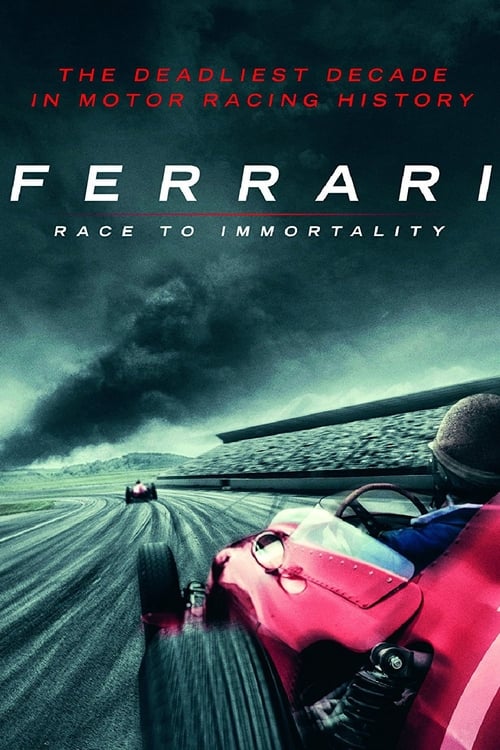
Ferrari: Race to Immortality serves as a period-accurate historical documentary. It prioritizes the biographical legacies of racing figures and the technical triumphs of the Ferrari empire over modern storytelling that reflects multiple aspects of identity. The film's structure adheres strictly to the social and demographic constraints of the late 1950s. This results in a narrative that mirrors the era's traditional hierarchies, particularly regarding gender and racial homogeneity within European racing circles. While the documentary succeeds in its goal of historical realism, it does not deviate from the conventional, era-specific portrayals of Western sporting history. It remains a character-driven study of a specific, elite sporting window.
Category Breakdown
The film focuses on the competitive and romantic lives of drivers in a 1950s setting. It does not include explicit LGBTQ+ character arcs or narratives that challenge the era's assumptions about straight relationships.
The story centers around the male-dominated world of Scuderia Ferrari. Female characters appear mainly in supportive or romantic roles, reflecting traditional gender roles.
The documentary reflects the demographic realities of mid-20th century European motor racing. The historical figures featured are predominantly of Western European descent, highlighting a specific sporting elite.
The film highlights the technical achievements and brand legacy of a quintessential Western institution. It operates within a framework of traditional Western excellence and high-stakes capitalism.
There is no focus on neurodivergence, physical disabilities, or chronic illness as central narrative components in this biographical chronicle.
Present on Screen
Limited or Absent
Official Synopsis
The late 1950s were known as golden years in the world of motor racing, champions were made and lost on a Sunday, and no losses were greater than those of Enzo Ferrari’s Scuderia. Based on Chris Nixon’s bestselling biography Mon Ami Mate, Ferrari: Race to Immortality tells the story of the loves and losses, triumphs and tragedy of a turbulent era that shook the motor racing world.
2016
2016
2022
2017
2013
2013
2017
2015
No reviews yet. Be the first to share your thoughts on this movie!
Use the rating form above to leave a star rating and optional review.