
47 Talking Corpses
1950
No user ratings available yet
Diversity score: 2.7 out of 10
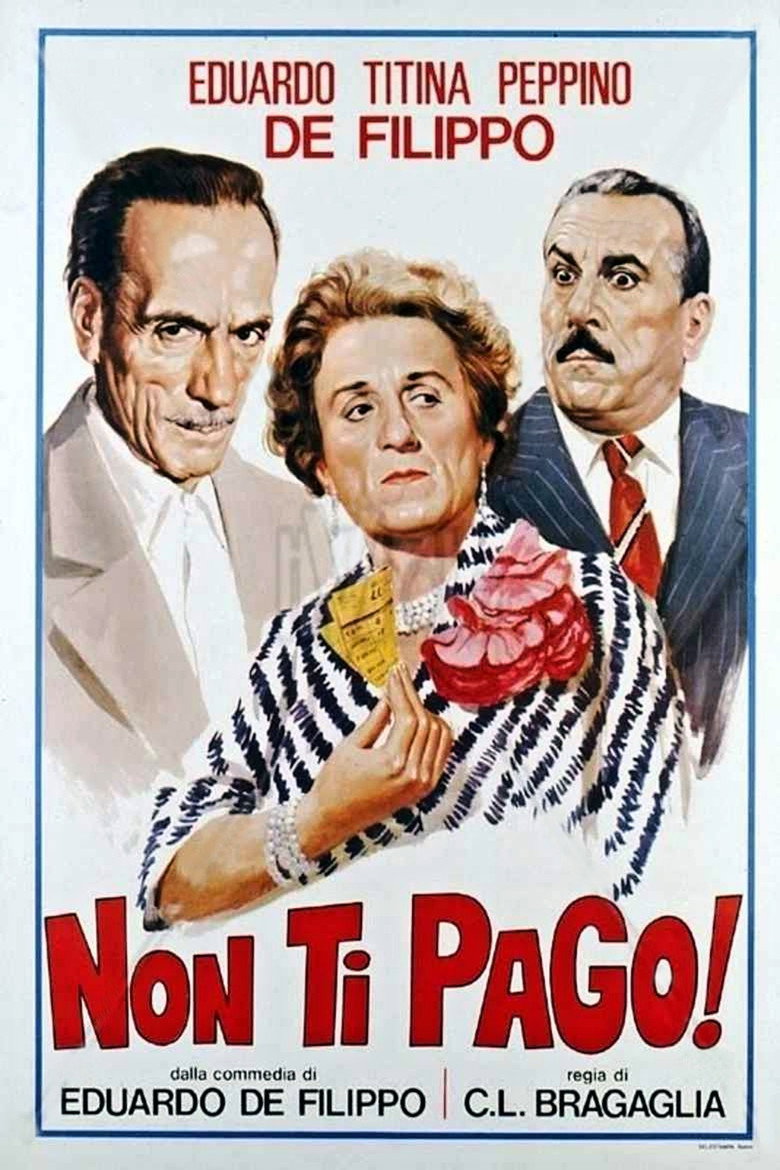
1942
Director
Carlo Ludovico Bragaglia
Runtime
68 minutes
Average Rating
No ratings yetSynopsis
The owner of a lottery store refuses to pay a large sum won by one of his workers that he hates, because that man received the winning numbers in a dream.
Overall Score
Limited
Category Breakdown
LGBTQ+ Representation
The film lacks LGBTQ+ characters or narratives that critique heteronormativity. It adheres to the standard comedic structures of 1942, focusing on traditional social dynamics.
Gender Representation
The story centers on class and labor disputes rather than gender subversion. Female characters likely occupy supporting roles that align with the era's traditional gender hierarchies.
Racial & Ethnic Diversity
The production reflects a homogeneous cast typical of 1940s Italian domestic comedies. There is no evidence of diverse ethnic identities or color-blind casting.
Religious & Cultural Diversity
The plot focuses on individual greed and superstition regarding a lottery win. It reinforces conventional social interactions rather than challenging institutional morality.
Disability Representation
There is no information available regarding the portrayal of physical or neurodivergent disabilities in this work.
Strengths
Areas for Improvement
AI Analysis
Non ti pago! is a product of its time, functioning as a standard period comedy that prioritizes situational humor over social commentary. The narrative revolves around a dispute between a store owner and a worker, focusing on personal ethics and superstition rather than identity politics. The film operates within the traditional frameworks of 1942 Italian cinema. It lacks the intentionality needed to disrupt established social hierarchies, instead reinforcing the conventional norms of the era through its localized and culturally specific setting.
1950

1950
1938

1957

1948

1950
1940
1959

1933

1947
1954
1968
No reviews yet. Be the first to share your thoughts on this movie!
Use the rating form above to leave a star rating and optional review.