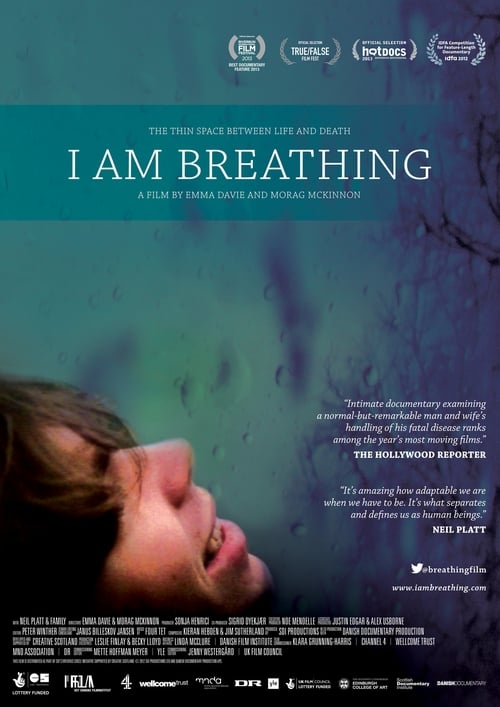
I Am Breathing
2013
No user ratings available yet
Representation score: 7.5 out of 10
Representation Score
Excellent
2016
Director
Rowan Deacon
Runtime
85 minutes
Average Rating
No ratings yetNew Showbiz Analysis
The documentary excels by centering a underrepresented experience through the lens of autonomy rather than victimhood. By focusing on the ethical complexities of a terminal diagnosis, it elevates the subject's role above passive tragedy. However, the film lacks visibility regarding racial, ethnic, and LGBTQ+ identities. These absences result in a neutral baseline for several key categories, limiting the overall depth of the work. Ultimately, the film's strength lies in its cultural critique. It successfully challenges traditional norms regarding life and death, prioritizing individual truth over institutional authority.
Category Breakdown
The film does not explicitly mention queer identities. However, themes related to bodily autonomy align with non-conformity, though there is no direct representation of LGBTQ+ individuals.
The narrative disrupts traditional social roles by focusing on individual autonomy. It centers the protagonist's internal struggle rather than conventional caregiver or provider dynamics.
There is no information available regarding the racial or ethnic composition of the subject or the production team. A neutral baseline is applied.
The film challenges religious and state-sanctioned views on the sanctity of life. It prioritizes personal ability to act and secular morality over traditional institutional mandates.
The documentary avoids 'inspiration porn' by focusing on the protagonist's intellectual and ethical engagement with Motor Neurone Disease. It gives the subject significant narrative power and control.
Present on Screen
Limited or Absent
Official Synopsis
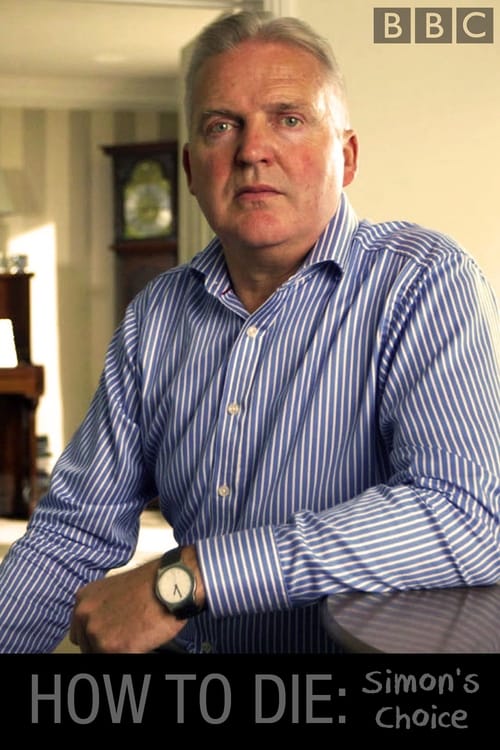
Simon debates whether to end his life after being diagnosed with motor neurone disease.
2013

2023

2011

2011

2022

2021
2015

2020
No reviews yet. Be the first to share your thoughts on this movie!
Use the rating form above to leave a star rating and optional review.