Killer Party
1986
No user ratings available yet
Diversity score: 1.7 out of 10
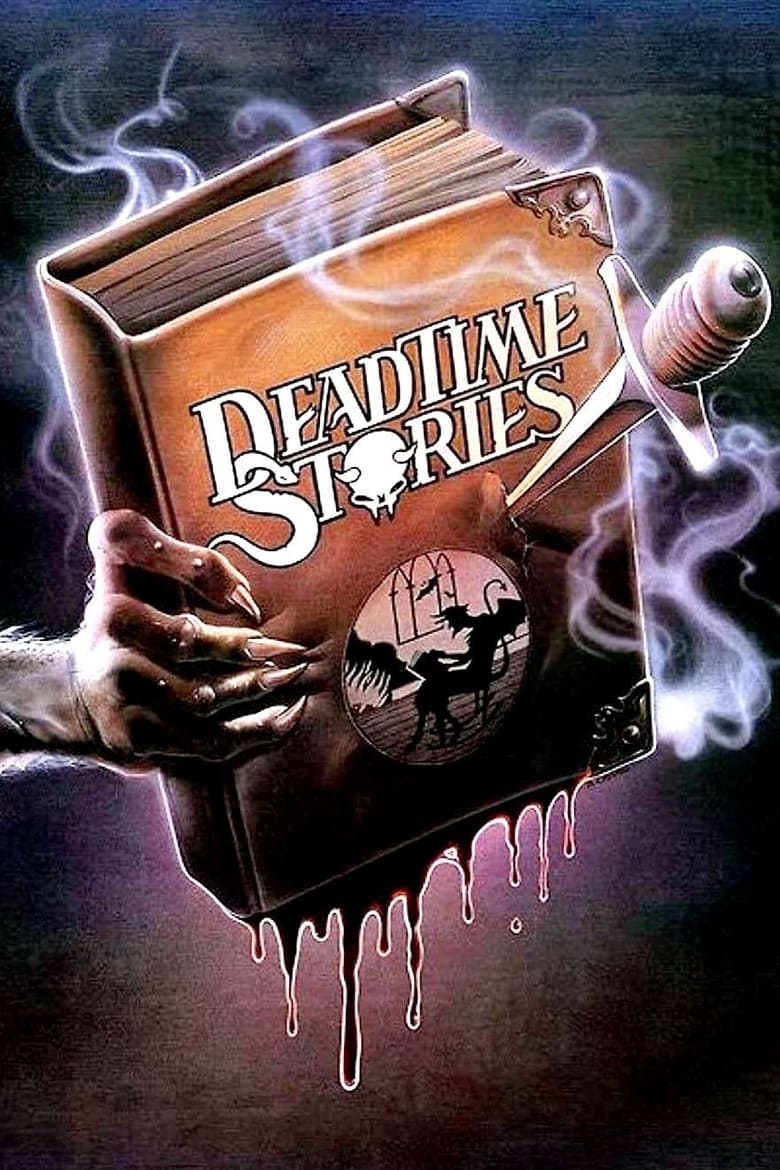
1986
RDirector
Jeffrey Delman
Runtime
93 minutes
Average Rating
No ratings yetSynopsis
A babysitting uncle tells his charges three horror stories: about a killer witch; Little Red Riding Hood and a werewolf; and Goldi Lox and the three bears.
Overall Score
Limited
Category Breakdown
LGBTQ+ Representation
The film lacks any presence of non-cisnormative identities. It adheres strictly to the standard character archetypes of the 1980s.
Gender Representation
Narrative structures rely on traditional fairy tale roles, such as the victimized child. There is no evidence of systemic disruption to gender hierarchies.
Racial & Ethnic Diversity
The reliance on Western European folklore suggests a focus on Anglo-centric mythologies. The casting appears to reflect the homogeneous standards of 1980s genre cinema.
Religious & Cultural Diversity
The film utilizes traditional Western storytelling motifs and cautionary moral frameworks. It does not engage in postmodern deconstruction or moral relativism.
Disability Representation
There is no discernible focus on neurodivergence or physical disability. These elements are not used as central plot devices within the anthology.
Strengths
Areas for Improvement
AI Analysis
Deadtime Stories functions as a traditional horror-comedy anthology that leans heavily on established folklore. By utilizing archetypes like Little Red Riding Hood and Goldilocks, the film prioritizes genre tropes over social commentary. The narrative architecture reinforces conventional storytelling structures rather than challenging them. It reflects the mid-80s cinematic landscape, where storytelling was driven by historical mythologies rather than intersectional representation. Ultimately, the film serves as a period-specific genre piece. It lacks the progressive elements required to subvert social hierarchies or provide diverse perspectives.
1986
1993
2013
2003
2008

1989
1995
1973
2015
1995
1988
1969
No reviews yet. Be the first to share your thoughts on this movie!
Use the rating form above to leave a star rating and optional review.