
Monika
1974
No user ratings available yet
Representation score: 1.4 out of 10
Representation Score
Minimal
1995
Director
Jennifer Montgomery
Runtime
82 minutes
Average Rating
No ratings yetNew Showbiz Analysis
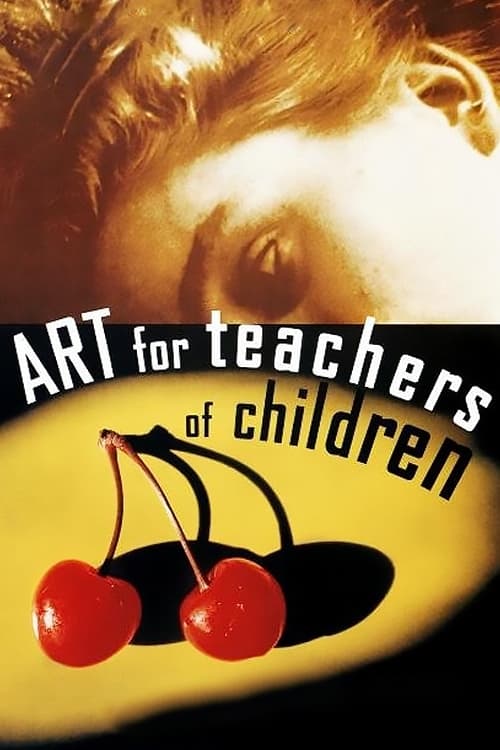
Art for Teachers of Children is a psychological drama centered on a power imbalance between a student and an authority figure. The narrative delves into themes of manipulation and the subjective nature of memory through a temporal shift from adolescence to adulthood. While the film engages with complex ideas regarding the 'gaze' and moral relativism, it lacks a broad spectrum of identity-based representation. The focus remains tightly on a singular, straight-centered interpersonal dynamic. Ultimately, the film functions as a character study of a predatory relationship rather than a work of storytelling that reflects multiple aspects of identity. It lacks the demographic breadth necessary for a high diversity rating.
Category Breakdown
The story focuses on a heterosexual relationship between a female student and a male counselor. There are no non-cisgender identities represented.
The film centers on a female protagonist's intellectual awakening. However, her portrayal as naive and insecure might reinforce traditional stereotypes of female victimhood.
The narrative does not provide any information about the racial or ethnic identities of the characters. Therefore, no assessment of racial diversity can be made.
The film explores moral relativism through the protagonist's adult perspective. It prioritizes subjective, aesthetic experiences over traditional social or moral structures.
There is no mention of physical disabilities, neurodivergence, or mental health conditions within the story.
Present on Screen
Limited or Absent
Official Synopsis
Jennifer, an intelligent but insecure 14-year-old student at a boarding school, seduces her married dormitory counselor, a photographer who has offered to teach her about his art and winds up shooting her in the nude. She is naive, and he manipulates her into an affair that eventually is discovered. Years later, as the photographer is being investigated by the FBI, the adult woman remembers her first love as a case of herself watching the artist who watched her.
1974
1989
1977
1930

2007
1997

2005

2008
No reviews yet. Be the first to share your thoughts on this movie!
Use the rating form above to leave a star rating and optional review.