
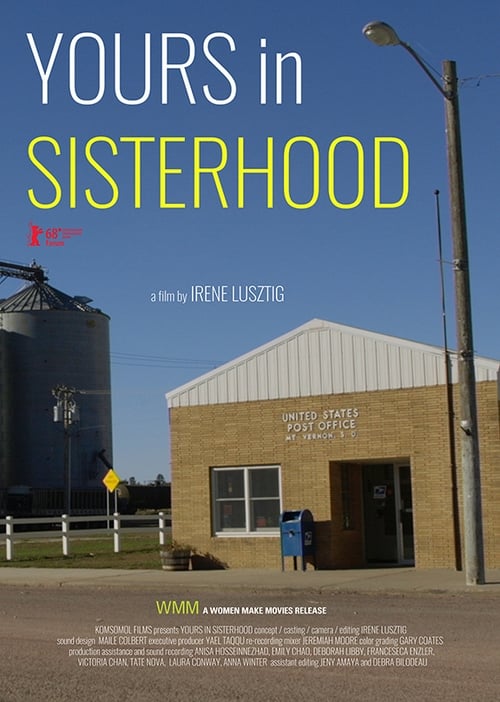
¡Las Sandinistas!
2018
No user ratings available yet
Representation score: 7.1 out of 10
Representation Score
Excellent
2018
Director
Irene Lusztig
Runtime
101 minutes
Average Rating
No ratings yetNew Showbiz Analysis
Irene Lusztig’s documentary uses a unique performance-based method to connect 1970s feminist activism with contemporary identity. By having strangers read historical letters, the film creates a dialogue between past struggles and current social realities. The work excels at storytelling that reflects multiple aspects of identity, moving beyond a single perspective on feminism. It successfully challenges patriarchal and Western institutional norms. However, the film's focus remains heavily on gender and racial dynamics. While it touches on socioeconomic factors, specific narratives regarding disability are less central to the core storytelling.
Category Breakdown
The film explores the relationship between gender liberation and queer identity. It avoids assuming everyone is straight or cisgender by treating diverse gender identities as important to the fight for bodily autonomy.
This documentary focuses on overturning traditional gender hierarchies. By highlighting women's roles in organizing and advocating for themselves, it places women at the forefront of shaping their social reality.
The narrative emphasizes that gender cannot be separated from race and class. It avoids a color-blind approach, instead providing a detailed look at how systemic oppression affects women of color.
The film critiques traditional Western institutions, including religious hierarchies and the nuclear family. It also looks at how economic structures and labor exploitation disproportionately affect women.
Disability is not the main focus of the narrative. While the film touches on how health intersects with social access, it lacks strong narratives where disabled individuals play central roles.
Present on Screen
Limited or Absent
Official Synopsis
What might be revealed in the process of inviting strangers to act out and respond to 1970s feminism forty years later? Between 2015 and 2017, hundreds of strangers in communities all over the US were invited to read aloud and respond to letters from the 70s sent to the editor of Ms. Magazine–the first mainstream feminist magazine in the US. The intimate, provocative, and sometimes heartbreaking conversations that emerge from these spontaneous performances make us think critically about the past, present, and future of feminism.
2018
2020
2018
2016
2014
2000

2009

2025
No reviews yet. Be the first to share your thoughts on this movie!
Use the rating form above to leave a star rating and optional review.