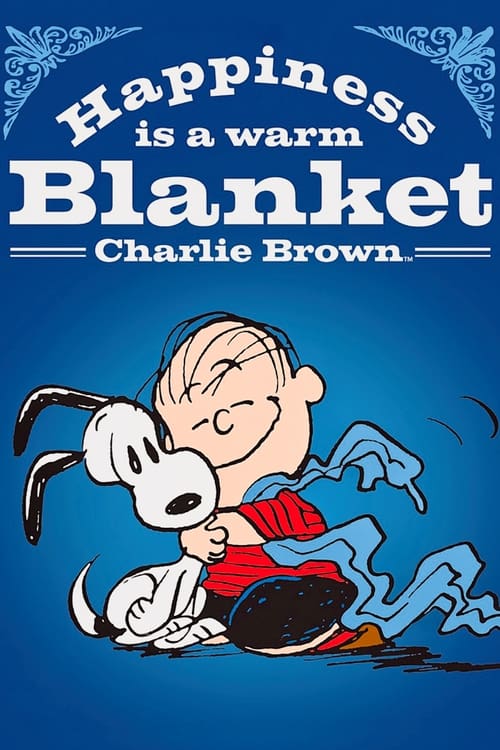
Happiness Is a Warm Blanket, Charlie Brown
2011
No user ratings available yet
Representation score: 5.8 out of 10
Representation Score
Limited
2017
Director
Lee Unkrich, Jason Katz
Runtime
2 minutes
Average Rating
No ratings yetNew Showbiz Analysis
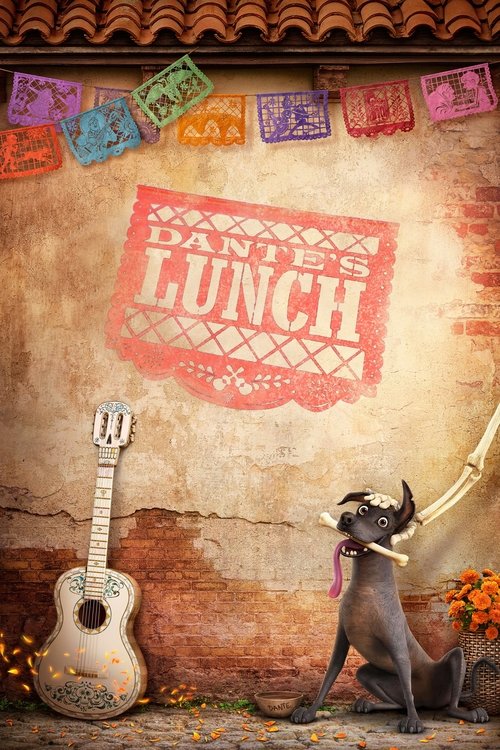
Dante's Lunch is a conventional character study that focuses on intimate, interpersonal realism. While the film avoids harmful stereotypes, its narrative structure adheres to traditional demographic and relational norms. The production relies heavily on Western urban archetypes, resulting in a homogeneous demographic presentation. It functions more as a piece of social realism than a critique of systemic power dynamics. Ultimately, the film offers limited depth in representing various aspects of identity, focusing on the emotional complexities of its central characters rather than challenging broader social issues.
Category Breakdown
The story follows a typical romantic path between a man and a woman. It doesn't include non-binary gender identities or disrupt the assumption that everyone is straight.
The film delves into the emotional complexity and vulnerability of its main characters, Dante and Mary. This approach avoids rigid masculine norms but stays within the bounds of a standard romantic drama.
The cast is primarily white and urban, reflecting a middle-class New York setting. The narrative does not use diverse ethnic backgrounds to challenge the status quo.
The film operates within a secular, modern framework emphasizing personal connections. It does not explicitly critique Western institutions like capitalism or the nuclear family.
There is no focus on neurodivergence or physical disabilities. Characters are portrayed as neurotypical urban professionals without specific disability-related roles.
Present on Screen
Limited or Absent
Official Synopsis
Every dog has his day, but poor Dante can't seem to catch a break.
2011
2009
2024

2017
2003
2016

2015

1995
No reviews yet. Be the first to share your thoughts on this movie!
Use the rating form above to leave a star rating and optional review.