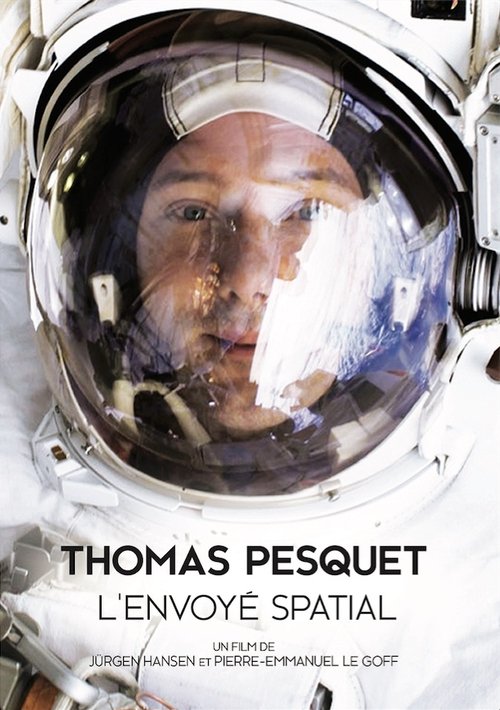
Thomas Pesquet : L'Envoyé spatial
2016
No user ratings available yet
Representation score: 6.2 out of 10
Representation Score
Good
1997
Director
Andrei Ujică
Runtime
96 minutes
Average Rating
No ratings yetNew Showbiz Analysis
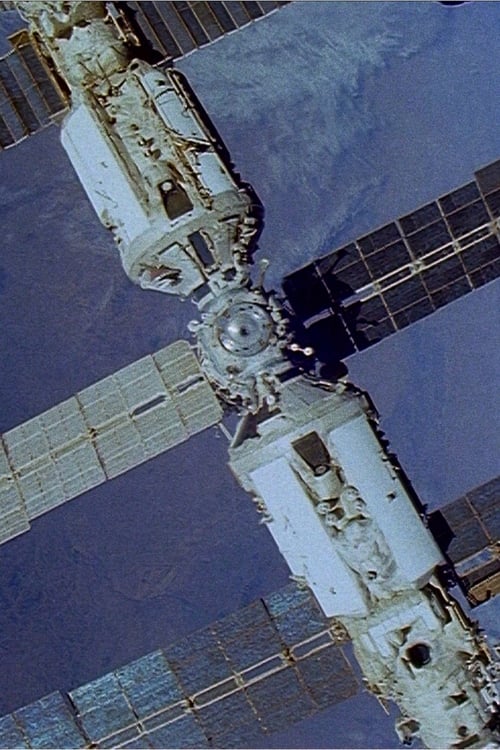
Out of the Present offers a profound meditation on the disconnect between geopolitical upheaval and individual reality. By focusing on the isolation of the Mir space station during the Soviet collapse, the film replaces grand national narratives with a humanistic study of vulnerability. The documentary succeeds in deconstructing the 'heroic' explorer archetype, instead highlighting the absurdity of being caught in the gears of systemic decay. While the cast is ethnically and gender-homogeneous, the film's strength lies in its nuanced exploration of identity and institutional instability.
Category Breakdown
The film focuses on the professional and existential solitude of cosmonauts without explicitly centering LGBTQ+ identities or non-assuming gender matches what was assigned at birth narratives. It avoids traditional assumptions about straight relationships.
The narrative centers on a male-dominated professional environment but disrupts heroic masculine archetypes by portraying the subjects through lenses of vulnerability and psychological uncertainty.
The subjects are ethnically homogeneous, reflecting the Slavic/Soviet context. The film explores diversity through the geopolitical deconstruction of a massive, multi-ethnic empire during its fragmentation.
The film excels by prioritizing personal experiences over official state history. It critiques institutional stability, framing the collapse of the USSR as a source of individual instability.
There is no explicit depiction of physical or neurodivergent disability. Instead, the film explores situational disability through the psychological paralysis caused by isolation and loss of control over one's circumstances.
Present on Screen
Limited or Absent
Official Synopsis
In May 1991 Soviet cosmonauts Anatoly Artsebarksy and Sergey Krikalev visit space station Mir in space mission Ozon. Artsebarski, the commander, returns to Earth according to plan 5 months later. Krikalev has to stay in space for ten months because of the chaotic political situation in his home country. He left the USSR to return to Russia. The 1991 coup ends an important era.
2016

2007
1997
2017
2009
2014
2019
2018
No reviews yet. Be the first to share your thoughts on this movie!
Use the rating form above to leave a star rating and optional review.