
Capsule
2016
No user ratings available yet
Representation score: 3.4 out of 10
Representation Score
Minimal
2017
PG-13Director
Klim Shipenko
Runtime
106 minutes
Average Rating
No ratings yetNew Showbiz Analysis
Salyut-7 is a period piece that prioritizes historical realism and technical proceduralism over social critique. The film operates within the rigid social and institutional hierarchies of the mid-1980s Soviet era, resulting in a narrative that is culturally and demographically narrow. While the film excels as a technical drama, it lacks depth in representing diverse identities. The focus remains on nationalistic achievement and traditional masculine archetypes, offering a conventional portrayal of mid-century state success without challenging established social norms.
Category Breakdown
The film maintains a strictly heterosexual and cisgender perspective. It focuses on the technical dynamics of a male-dominated space program without any representation of LGBTQ+ identities.
Men hold exclusive control over decision-making in the film. Women appear only in supporting or domestic roles, serving as stabilizers rather than primary plot drivers.
The cast is highly uniform, reflecting the specific geopolitical context of the 1985 Soviet space program. The narrative centers on a singular national identity.
The story celebrates state-sponsored achievement and institutional discipline. It reinforces patriotism and the importance of centralized authority through a heroic portrayal of the Soviet space ability to act.
Physical hardships are presented as occupational hazards of spaceflight rather than explorations of disability. No characters with disabilities are featured as plot devices.
Present on Screen
Limited or Absent
Official Synopsis
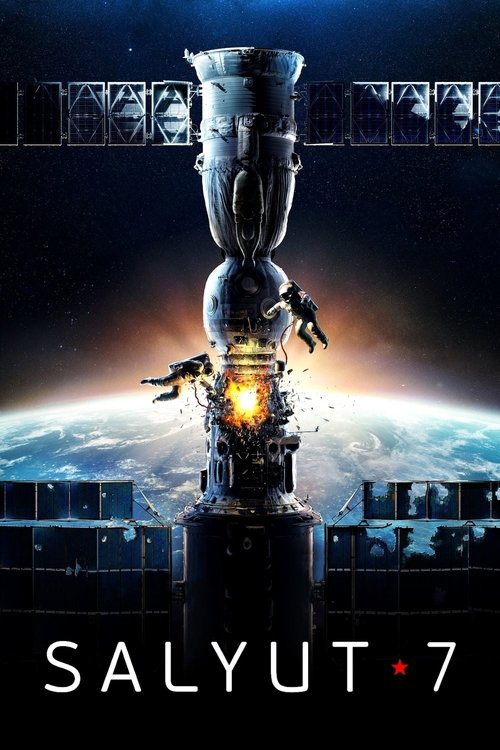
USSR, June 1985. After contact with the Salyut 7 space station is lost, cosmonauts Vladimir Dzhanibekov and Viktor Savinykh dock with the empty, frozen craft, and bring her back to life. Based on actual events.
2016

2017
1997

2013
2013

2013

2023
1983
No reviews yet. Be the first to share your thoughts on this movie!
Use the rating form above to leave a star rating and optional review.