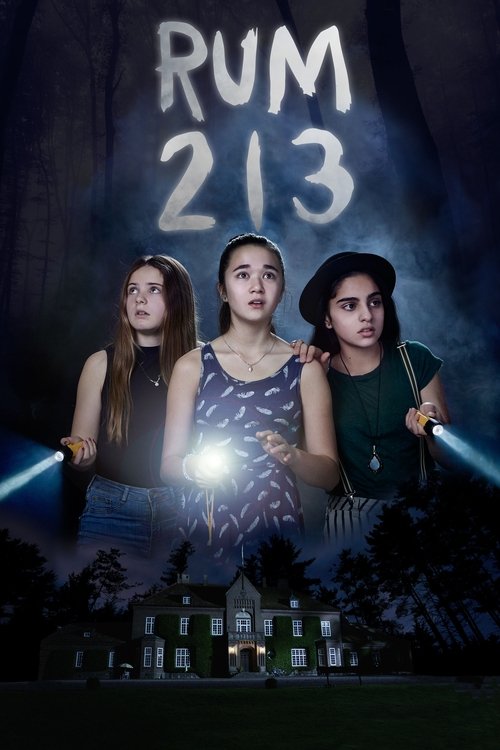
Room 213
2017
No user ratings available yet
Representation score: 1.6 out of 10
Representation Score
Fair
2007
PGDirector
Dave Sapp
Runtime
80 minutes
Average Rating
No ratings yetNew Showbiz Analysis
The film primarily functions as a character study focused on disability and psychological isolation. Its strength lies in centering a protagonist with a visible disability, using her sensory experiences to create tension and horror. However, the production lacks depth in addressing multiple aspects of identity. The absence of racial diversity and LGBTQ+ representation confines the narrative to a traditional, homogeneous framework. While the exploration of faith adds cultural layers, the film adheres closely to standard Western gothic storytelling. Overall, the film offers localized progressive elements through its portrayal of disability but does not address broader systemic or diverse social issues.
Category Breakdown
The film does not include any explicit references to LGBTQ+ characters or non-cisgender identities. The story focuses solely on the protagonist’s faith and sensory experiences.
Jill is a key female character who navigates psychological manipulation and supernatural forces. Her journey highlights her internal struggle and active role in overcoming adversity.
No information is available about the racial or ethnic makeup of the cast. The film seems to rely on a traditional, homogeneous representation.
The story delves into religious skepticism and the dismantling of faith. However, it leans heavily on established Western gothic themes and individual struggles.
The protagonist's blindness is a central part of the narrative. The film explores her sensory experiences and the social isolation she faces due to others' doubts about her perceptions.
Present on Screen
Limited or Absent
Official Synopsis
Jill, a girl angry about being blind and struggling with her faith, unexpectedly inherits an old mansion from her estranged aunt. She and her friends go there to check it out. On the way they have a strange encounter with the creepy Hank. At the house, unnerving things start happening and Jill starts "seeing" things. Her friends become concerned about her sanity, leaving Jill feeling even more isolated and under the spell of the force in the house. But when Jill disappears, it's too late for her friends to stop what is already in motion. The ghost that brought Jill to the house and a soldier from the past are going to reveal their secret, forcing Jill to face her greatest fears, changing her forever.
2017

1989

2008

1977
1989
2011
2006
2012
No reviews yet. Be the first to share your thoughts on this movie!
Use the rating form above to leave a star rating and optional review.