Home
2016
No user ratings available yet
Diversity score: 5.4 out of 10
2014
Director
Mihkel Ulk
Runtime
114 minutes
Average Rating
No ratings yetSynopsis
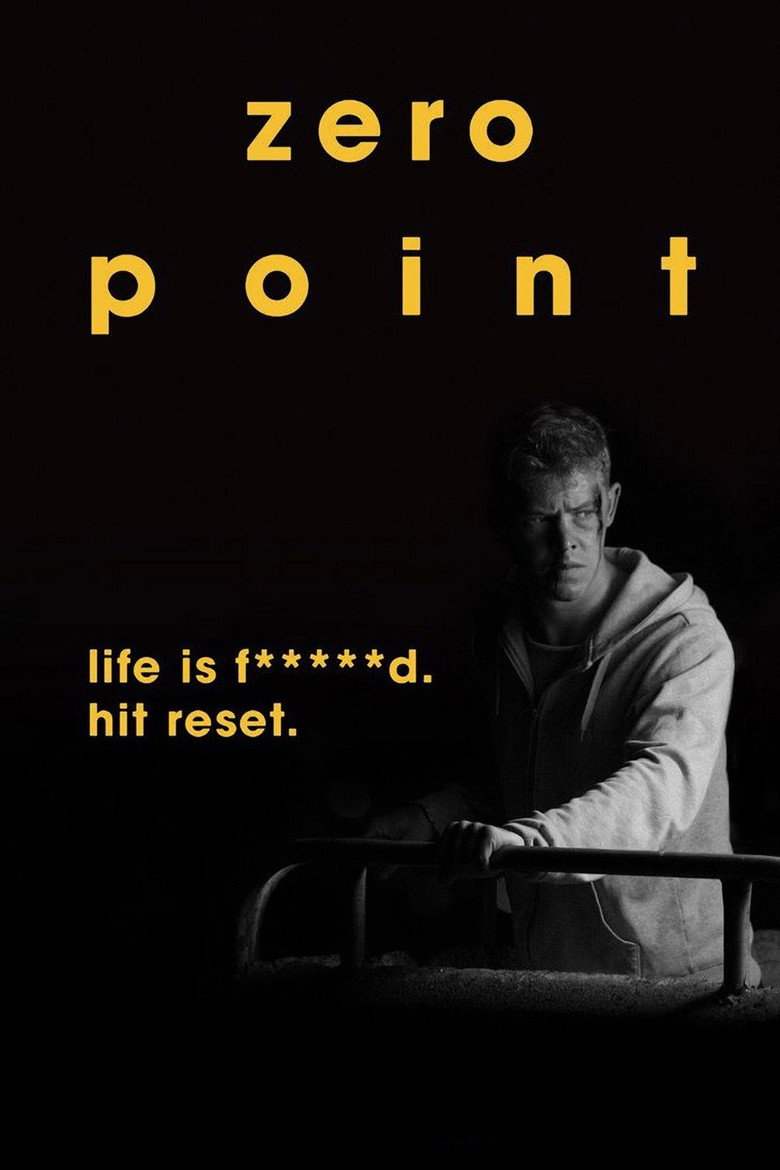
Sensitive and restless Johannes is accepted to an elite school in Tallinn and expects life to go uphill. Instead, he becomes the victim of mental abuse by his classmates. In search of recognition, he goes to his old Lasnamäe friends, who spend their time doing drugs, hanging around, and partying, rather than focusing on schoolwork. At home, Johannes must deal with his mother’s deteriorating mental health. As the tension grows, he finds himself at zero point, where he must completely reset his life to build it up from scratch.
Overall Score
Fair
Category Breakdown
LGBTQ+ Representation
The film lacks explicit mention of LGBTQ+ characters or non-heteronormative identities. The narrative focus remains centered on the protagonist's social alienation and mental health struggles.
Gender Representation
Johannes disrupts traditional masculine stoicism through his sensitive and restless nature. The portrayal of his mother's declining mental health also avoids the stable matriarch trope.
Racial & Ethnic Diversity
The production reflects the demographic realities of Tallinn and Lasnamäe without indicating a diverse cast. The film explores socio-economic class distinctions rather than racial or ethnic markers.
Religious & Cultural Diversity
The story critiques traditional Western institutions by portraying elite schools as sites of abuse. It also explores social dysfunction through subcultures that reject academic and social norms.
Disability Representation
The film engages meaningfully with invisible disabilities by centering the plot on mental health. Both the protagonist and his mother face psychological distress that drives the narrative.
Strengths
Areas for Improvement
AI Analysis
Zero Point is a character-driven drama that prioritizes psychological realism over broad demographic inclusivity. It succeeds in subverting traditional social hierarchies, particularly regarding gendered expectations of strength and the stability of the family unit. While the film lacks significant racial or LGBTQ+ representation, it offers a nuanced look at mental health. By treating psychological struggles as central narrative drivers, it provides a more complex view of disability than typical background tropes. Ultimately, the film's strength lies in its social critique. It deconstructs the idea of elite institutions and domestic sanctuaries, focusing instead on the friction between systemic pressure and individual mental well-being.
2016
2007

2014

2017

2008

2017
2017

2015
1996

2020

2022

2005
No reviews yet. Be the first to share your thoughts on this movie!
Use the rating form above to leave a star rating and optional review.