Maniac Hero
2016
No user ratings available yet
Representation score: 5.1 out of 10
Representation Score
Limited
2009
Director
Takashi Miike
Runtime
111 minutes
Average Rating
No ratings yetNew Showbiz Analysis
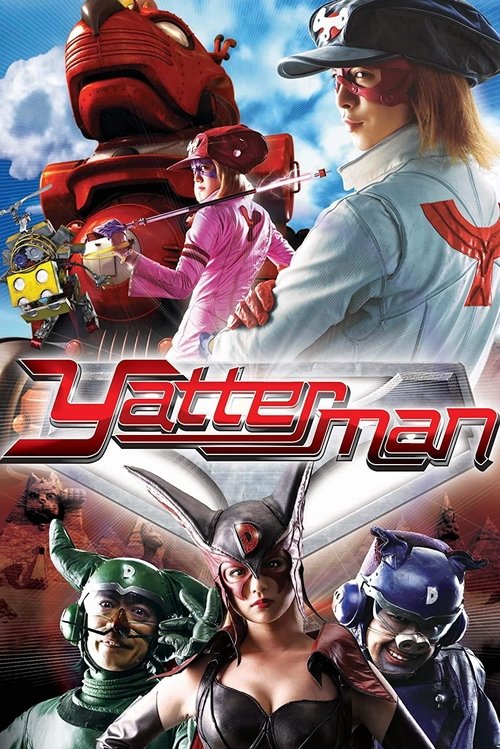
Takashi Miike’s adaptation of *Yatterman* emphasizes stylistic subversion and postmodern aesthetics over sociopolitical commentary. The film focuses on established clichés and a localized Japanese aesthetic, resulting in limited characters who reflect more than one aspect of diversity or systemic critique. The narrative architecture centers on traditional romantic dynamics and a homogeneous cultural backdrop. This approach leaves little room for exploring diverse identities or challenging institutional norms. Ultimately, the production favors slapstick comedy and surreal escapism.
Category Breakdown
The film adheres to an assumption that everyone is straight or cisgender. There is no indication of queer subtext or non-traditional gender identities in the central romance between Gan and Ai.
The film includes both male and female leads but relies on established superhero clichés. Lady Doronjo embodies the femme fatale archetype without deconstructing traditional gender roles.
The cast is primarily made up of actors from similar backgrounds, reflecting the Japanese setting. The story does not include diverse ethnic identities or use color-blind casting.
The story follows a standard good-versus-evil morality structure. It avoids critiques of traditional family structures or Western institutions, focusing instead on genre escapism.
There is no representation of physical or neurodivergent disabilities in the character descriptions or narrative.
Present on Screen
Limited or Absent
Official Synopsis
Gan and his girlfriend Ai are mild-mannered toy shop owners by day but, when evil lurks, they transform into superheroes Yatterman 1 & 2. With the help of a dog-shaped robot, Yatterwoof, they take on the Doronbow gang, lead by the sexy Lady Doronjo. Together, they must stop the evil gang from finding the four magical skull pieces that will allow them to control the world!
2016
2004
2006
1998

1997
1999
2013
1991
No reviews yet. Be the first to share your thoughts on this movie!
Use the rating form above to leave a star rating and optional review.