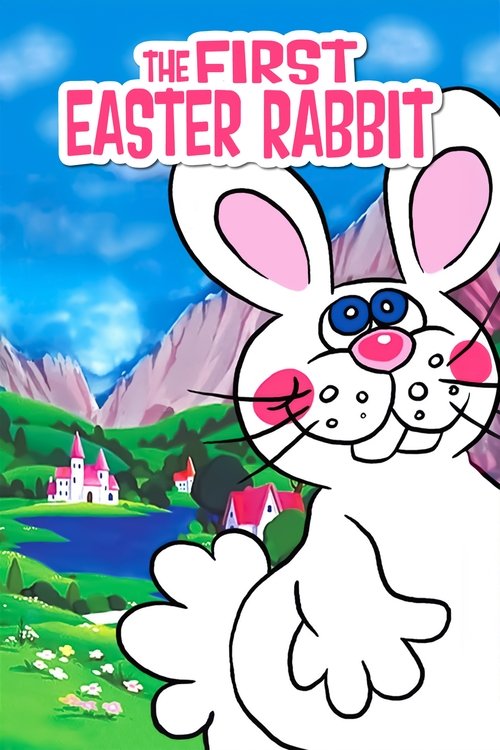
The First Easter Rabbit
1976
No user ratings available yet
Diversity score: 1.5 out of 10
1977
Director
Arthur Rankin, Jr., Jules Bass
Runtime
50 minutes
Average Rating
No ratings yetSynopsis
The Mailman decides to stop another deluge of letters by answering questions about the Easter Bunny: Sunny, a baby rabbit found and adopted by Kidville (a town of only kids--even a kid mailman). And when Sunny goes delivering eggs to the nearby town (which he has to dye to fool Gadzooks, the mean bear on the mountain), he discovers that there are no kids in the town, and that the rightful (kid) ruler is being suppressed by his aunt. But the young king likes Sunny's dyed eggs and jelly beans. So Kidsville, with the help of an old train engine, makes a few plans (and a decoy chocolate rabbit) to distribute them.
Overall Score
Limited
Category Breakdown
LGBTQ+ Representation
The film lacks LGBTQ+ characters or non-cisnormative identities. It adheres to the conventional heteronormative structures common in 1970s children's programming.
Gender Representation
Character roles follow traditional archetypes with little subversion of gendered leadership. While Kidville places children in municipal roles, internal power dynamics remain largely conventional.
Racial & Ethnic Diversity
The anthropomorphic, fantasy-based aesthetic avoids explicit racial or ethnic identifiers. The cast consists of animals and creatures, reflecting the homogeneous casting trends of the era.
Religious & Cultural Diversity
The story centers on a traditional Western holiday and seasonal celebration. It reinforces social stability and a traditional moral framework rather than critiquing Western institutions.
Disability Representation
No visible or invisible disabilities are portrayed. Characters are presented with standard physical capabilities consistent with the fantasy genre, without focus on neurodivergence or impairment.
Strengths
Areas for Improvement
AI Analysis
This Rankin/Bass production is a classic example of mid-century holiday escapism. It prioritizes whimsical storytelling and seasonal traditions over any meaningful social commentary or intersectional representation. The narrative relies on anthropomorphic characters and fantasy settings to bypass real-world demographic complexities. This approach results in a homogeneous cast that lacks racial, ethnic, or LGBTQ+ diversity. While the film offers a charming disruption of hierarchy through its child-led setting, it ultimately upholds established social norms and traditional Western cultural frameworks.
1976
1985
1971
1980
No reviews yet. Be the first to share your thoughts on this movie!
Use the rating form above to leave a star rating and optional review.