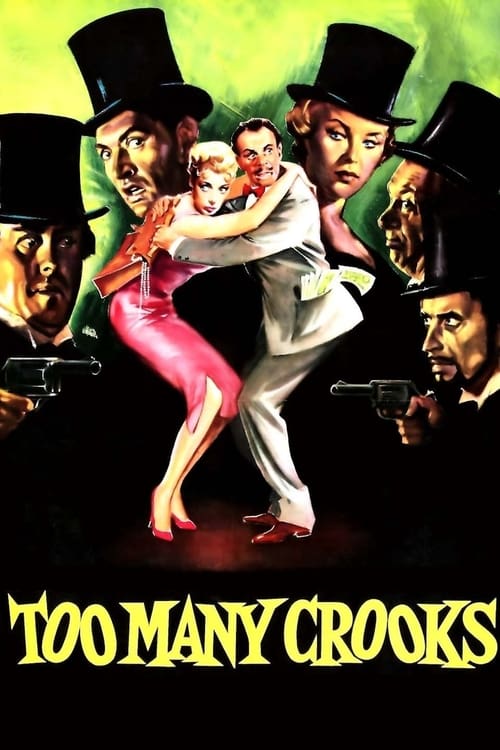
Too Many Crooks
1959
No user ratings available yet
Representation score: 2.2 out of 10
Representation Score
Minimal
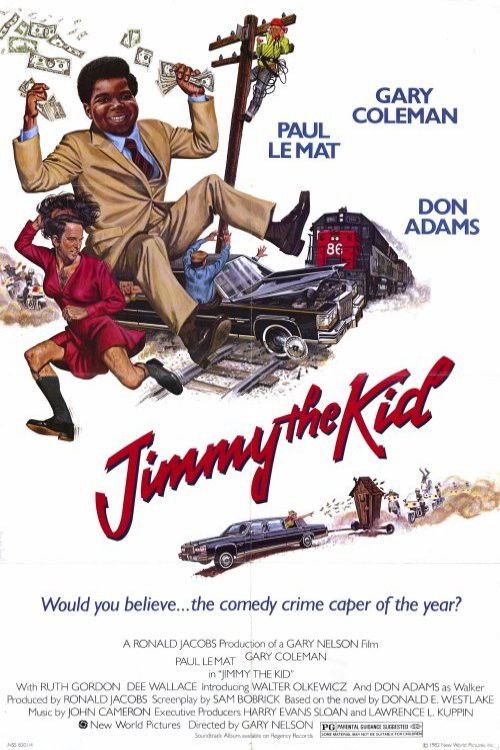
1982
PGDirector
Gary Nelson
Runtime
85 minutes
Average Rating
No ratings yetNew Showbiz Analysis
Jimmy the Kid is a period comedy that emphasizes accurate social structures of the 1930s rather than modern diversity. While the Great Depression setting offers a critique of economic hardship, the film remains a conventional studio comedy. The narrative follows a 'trickster' character navigating a world of economic instability. However, this character study does not delve into broader social issues related to identity or inclusivity. Overall, the film adheres to the demographic norms of the early 1980s, lacking diverse casting and engagement with LGBTQ+ themes or disability representation.
Category Breakdown
The film does not include any characters with non-binary gender identities. The story revolves around traditional heterosexual relationships.
The story centers on a male protagonist following traditional gender roles typical of the 1930s. The narrative does not challenge traditional masculinity.
The cast is predominantly white with no evidence of diverse racial representation. There are no characters from different ethnic backgrounds.
Set during the Great Depression, the film critiques economic failures through minor scams used by the protagonist to survive.
The film does not feature any characters with visible or invisible disabilities. There are no storylines centered around neurodivergence or physical impairments.
Present on Screen
Limited or Absent
Official Synopsis
Gang of bumbling crooks kidnap a bratty little kid, find out they got more than they bargained for.
1959
1972

2001
1985
1987
1986
1982
1994
No reviews yet. Be the first to share your thoughts on this movie!
Use the rating form above to leave a star rating and optional review.