Day of the Woman
1978
No user ratings available yet
Representation score: 3.1 out of 10
Representation Score
Fair
2015
UnratedDirector
Richard Schenkman
Runtime
91 minutes
Average Rating
No ratings yetNew Showbiz Analysis
The film is demographically narrow, lacking LGBTQ+ and racial diversity, yet it is ideologically disruptive. It centers on a female protagonist who challenges traditional gender hierarchies through extreme ability to act and vengeance. While the cast is largely homogeneous, the narrative challenges institutional authority by portraying the legal system as ineffective. This creates a framework where individual retribution is prioritized over state-sanctioned justice. Ultimately, the work trades demographic breadth for a radical subversion of social norms, using trauma as a functional driver for a high-stakes horror narrative.
Category Breakdown
The film adheres to a traditional framework that assumes everyone is straight or cisgender. There are no indications of queer-coded subtext or non-binary gender identities.
Jennifer Hills replaces the 'damsel in distress' cliché with absolute control and physical dominance. Male characters primarily serve as agents of chaos or targets for her retribution.
The narrative lacks significant racial or ethnic diversity. The cast appears homogeneous, focusing on a white protagonist and her immediate antagonists without diverse ethnic integration.
The story critiques Western judicial systems, portraying them as incapable of providing justice. It frames lethal vigilantism as a necessary response to systemic failure.
Psychological trauma serves as a catalyst for the revenge plot rather than a nuanced exploration of mental health. The depiction leans toward genre requirements over a deeper exploration of the character's journey.
Present on Screen
Limited or Absent
Official Synopsis
Jennifer Hills is still tormented by the brutal sexual assault she endured years ago. She’s changed identities and cities, reluctantly joining a support group where she begins to piece together a new life. But when her new friend’s murderer goes free and the tales of serial rapists haunt her, Jennifer will hunt down the men responsible and do what the system won’t – make them pay for their crimes in the most horrific ways imaginable. Only this time, no jury may be able to save her.
1978

2013
2019
1996
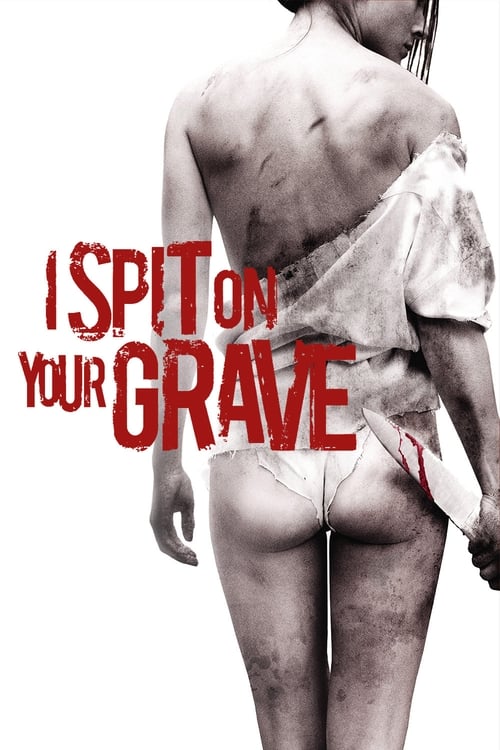
2010

1981

2015
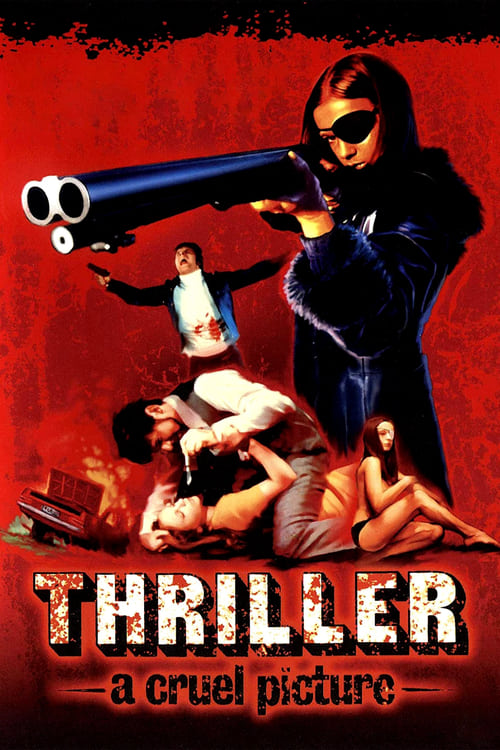
1973
No reviews yet. Be the first to share your thoughts on this movie!
Use the rating form above to leave a star rating and optional review.