Mi Angelito Favorito
2013
No user ratings available yet
Representation score: 6.0 out of 10
Representation Score
Limited
2013
Director
Andrea Herrera Catalá
Average Rating
No ratings yetNew Showbiz Analysis
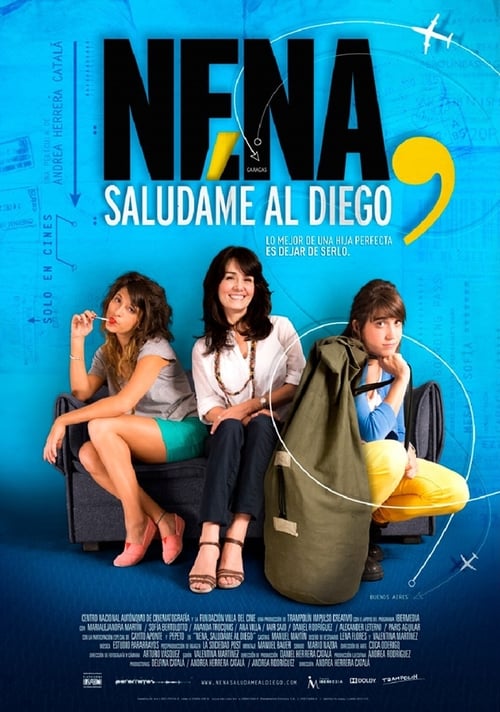
Nena, Saludáme al Diego centers on female perspectives and Latin American cultural contexts. The predominantly female cast supports storytelling that avoids traditional male-dominated narratives. The film's focus on Latin American contexts breaks from Western-centric norms, allowing for localized, character-driven storytelling. However, the extent to which the film addresses complex social identities, such as LGBTQ+ or disability issues, remains unclear due to lack of specific details.
Category Breakdown
The film does not include any verified LGBTQ+ characters or narratives focusing on non-cisgender identities. There is no specific representation of LGBTQ+ individuals.
The main cast is primarily composed of women, indicating a narrative that emphasizes female perspectives. This casting choice moves away from the conventional male-dominated ensemble.
The film highlights Latin American cultural contexts, prioritizing non-Anglo-Saxon viewpoints. This approach deviates from the usual Western-centric cinematic norms.
The film likely incorporates regional cultural nuances through its title and creative team. However, specific representations of religious or socio-political themes remain unconfirmed.
There is no documented evidence of characters with visible or invisible disabilities in the film.
Present on Screen
Limited or Absent
2013
2011
2017
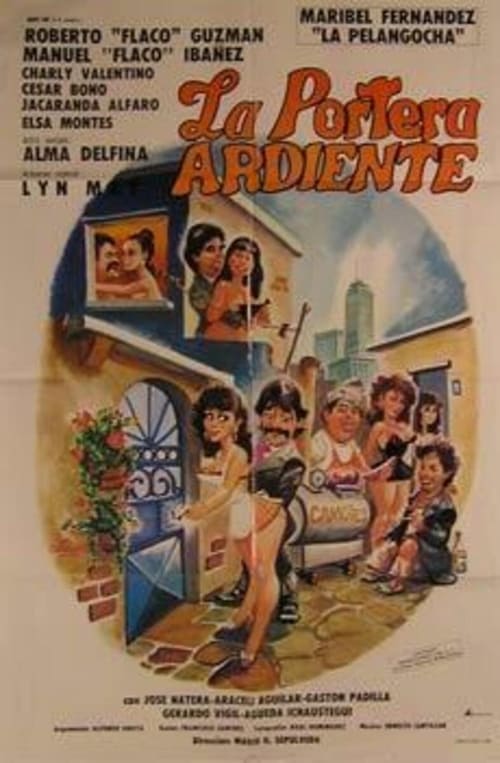
1989
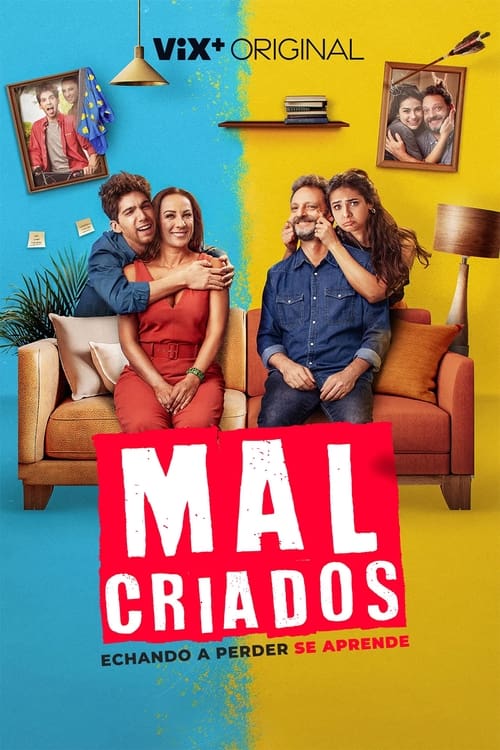
2023
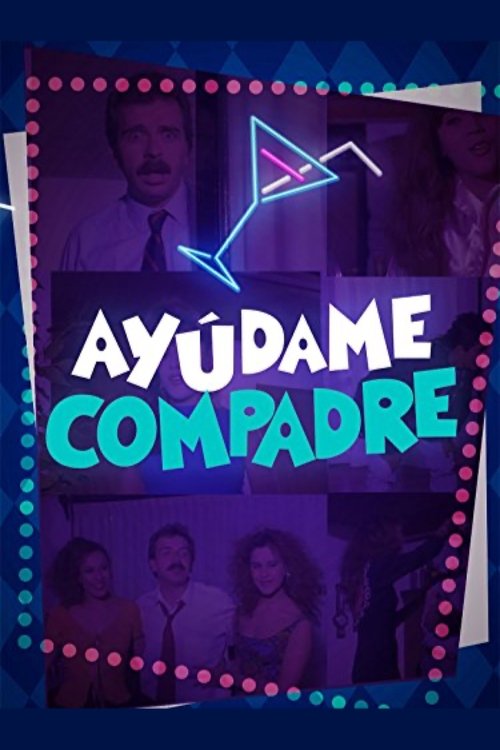
1992

2011

2016
No reviews yet. Be the first to share your thoughts on this movie!
Use the rating form above to leave a star rating and optional review.