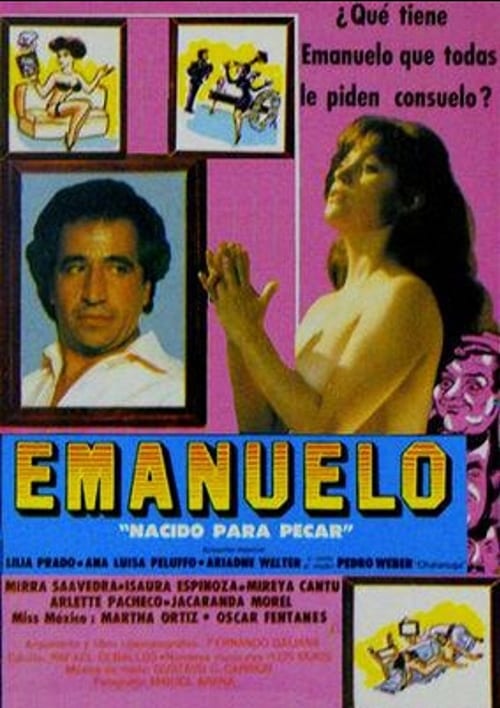
Emanuelo
1984
No user ratings available yet
Representation score: 3.7 out of 10

Representation Score
Limited
1992
PGDirector
Sergio Véjar
Average Rating
No ratings yetNew Showbiz Analysis
Ayúdame compadre is a traditional comedy reflecting the social structures of the early 1990s. While it centers non-white identities through its Latin American context, it lacks the complexity needed to address multiple aspects of diversity. The film does not challenge or deconstruct established societal, religious, or economic norms. Instead, it focuses on standard comedic formulas without disrupting systemic power dynamics.
Category Breakdown
The film does not include any characters with non-conventional gender identities or narratives that question the assumption that everyone is straight. It follows the typical social norms of the time.
Female characters seem to play traditional roles without challenging male leadership. The story does not show subverted ideas of femininity or portray masculinity as ineffective.
The film highlights non-Anglo-Saxon identities due to its Latin American setting. However, it does not feature characters of color who have significant control over the plot to break down common stereotypes.
The comedy likely upholds traditional family and social structures without questioning them. There is no evidence of narratives that criticize capitalism or promote secular views.
There are no characters with visible or invisible disabilities in the film. Disability is not used as a part of the story’s development.
Present on Screen
Limited or Absent
1984

1998
1989

1995

1989
1987

1983
1982
No reviews yet. Be the first to share your thoughts on this movie!
Use the rating form above to leave a star rating and optional review.