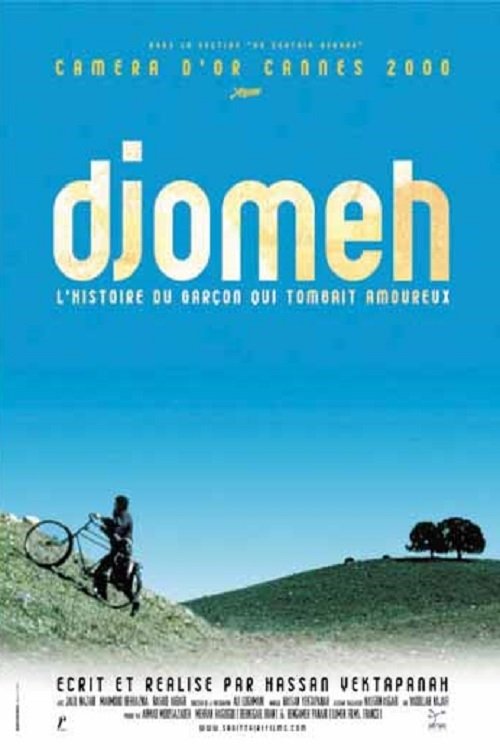
Djomeh
2000
No user ratings available yet
Representation score: 5.1 out of 10
No Poster Available
Representation Score
Limited
2005
Director
Babak Jalali
Runtime
18 minutes
Average Rating
No ratings yetNew Showbiz Analysis
Babak Jalali’s film is a minimalist character study that disrupts the Western-centric perspective by centering an Afghan refugee. It provides a nuanced look at the socioeconomic exclusion of migrant communities. While the film lacks representation for LGBTQ+ identities and features limited women's ability to drive the story, it avoids reinforcing traditional masculine hierarchies. The protagonist is defined by his precarity rather than dominance. Ultimately, the work functions as a sophisticated critique of how legal and social systems impact ethnic minorities. It documents systemic displacement without relying on heroic clichés.
Category Breakdown
The film does not include any LGBTQ+ characters or narratives related to non-straight identities.
The story centers on a male protagonist, avoiding traditional masculine clichés and instead portrays him through a lens of vulnerability and social precarity.
The film excels by centering the Afghan diaspora within an Iranian setting, providing a significant role in driving the story to a non-Western protagonist and exploring the complexities of statelessness and ethnic identity.
The narrative critiques the structures that marginalize displaced persons using a secular, observational approach. It avoids nationalistic ideals, focusing on the friction between the individual and systemic hierarchies.
There is no significant evidence of visible or invisible disabilities being portrayed in the narrative.
Present on Screen
Limited or Absent
Official Synopsis
Heydar is working in Tehran but is learning English so that he can return to his home country, Afghanistan, as a translator.
2000
2023
2012

1999

2003
2004
2021

2012
No reviews yet. Be the first to share your thoughts on this movie!
Use the rating form above to leave a star rating and optional review.