
Yo quiero ser hombre
1950
No user ratings available yet
Representation score: 5.6 out of 10
Representation Score
Minimal
1950
Director
Carlos Schlieper
Runtime
86 minutes
Average Rating
No ratings yetNew Showbiz Analysis
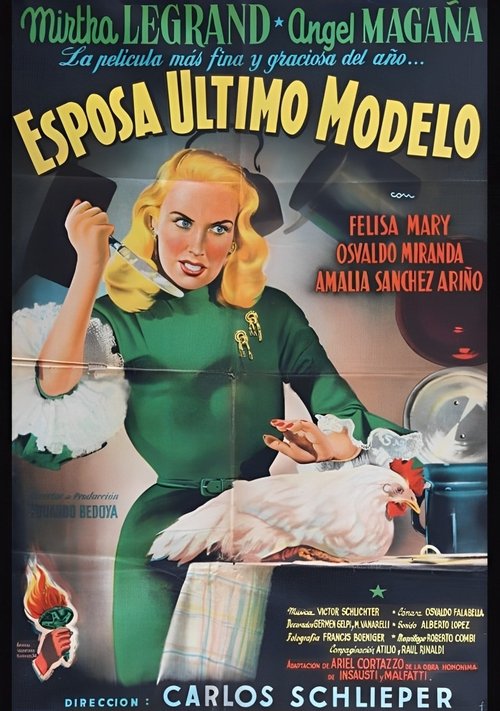
Esposa último modelo is a mid-century romantic comedy that reflects the social norms of the 1950s. The narrative structure relies on the performance of domesticity to achieve romantic success, reinforcing the era's established gendered frameworks. The film lacks complexity in representing multiple aspects of identity or systemic critiques. Instead of challenging familiar patterns, the story appears to celebrate the successful adoption of conventional roles to maintain social appearances. Ultimately, the work operates within a traditional framework that prioritizes the nuclear family and straight-centered standards, offering little disruption to the demographic or social status quo of its time.
Category Breakdown
The film follows a traditional romantic relationship between a man and a woman. There is no indication of LGBTQ+ identities or narratives that question the assumption that everyone is straight or cisgender.
The story emphasizes traditional gender roles by highlighting a woman's ability to perform domestic tasks. It centers on the idea of the 'ideal housewife' to secure a romantic partner.
The film likely focuses on a homogeneous social group typical of 1950s comedies. There is no evidence of diverse casting or challenging regional norms.
Themes emphasize the stability of the nuclear family and social standing. The story celebrates navigating established social and familial structures without offering critiques of these institutions.
The narrative contains no mention of characters with visible or invisible disabilities.
Present on Screen
Limited or Absent
Official Synopsis
When a young woman who knows nothing about housework falls in love, her grandmother and nanny make her seem like the ideal housewife in front of her boyfriend.
1950

1946

1955

1955

1954

1943

1965

1950
No reviews yet. Be the first to share your thoughts on this movie!
Use the rating form above to leave a star rating and optional review.