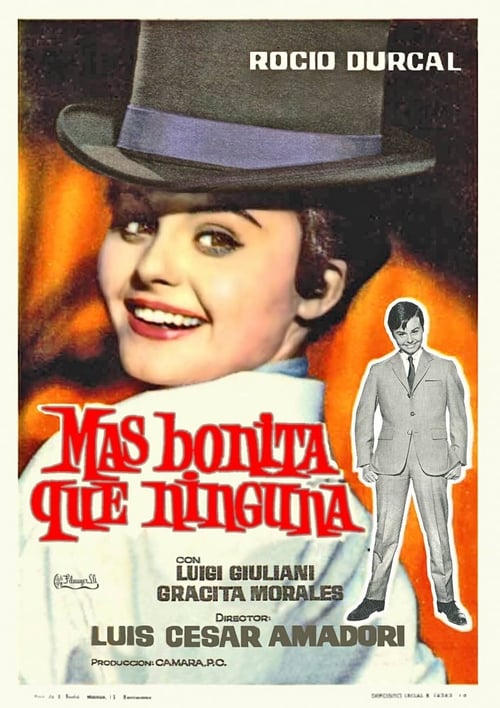
Más bonita que ninguna
1965
No user ratings available yet
Representation score: 2.4 out of 10
Representation Score
Fair
1950
Director
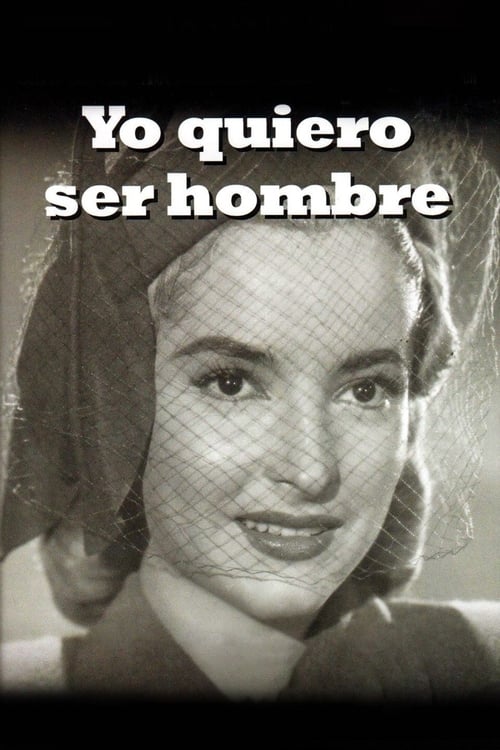
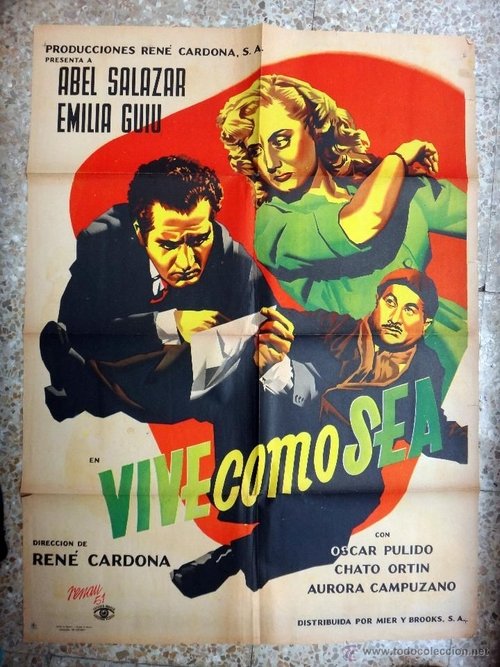
René Cardona
Average Rating
No ratings yetNew Showbiz Analysis
René Cardona’s film serves as a fascinating mid-century exploration of identity. By using comedic disguises, the story moves beyond simple melodrama to question the stability of gendered roles and social performance. The production stands out for its cultural authenticity, centering a Mexican narrative during the Golden Age of Mexican cinema. This provides a necessary alternative to the Western-centric norms of the era. While the film remains tied to the social hierarchies of 1950, its interest in deconstructing masculinity and navigating class structures offers a subtle, complex layer of character development.
Category Breakdown
The film delves into the psychological desire to experience a different gendered perspective. It avoids negative stereotypes and focuses on the protagonist's struggle against rigid gender expectations.
The narrative disrupts traditional hierarchies by presenting masculinity as a performative state. Through disguises and subverted social roles, the film highlights the fluidity in how gender is expressed.
By centering a Mexican cast and setting, the film avoids the whitewashing prevalent in Hollywood at the time. It offers a localized perspective rooted in its specific cultural context.
The story follows traditional themes of inheritance and family obligation. However, it introduces moral complexity through social maneuvering and a focus on individual identity.
There is no significant evidence regarding the portrayal of physical or neurodivergent disabilities in this work.
Present on Screen
Limited or Absent
Official Synopsis
In order to come into a large inheritance, young Divina must marry her cousin Pablo. Her aunt, Milagros, hatches a plan to disguise themselves as a maid and her nephew in order to get to know him better.
1965

1961
1950
1943
1940
1952
1994
1951
No reviews yet. Be the first to share your thoughts on this movie!
Use the rating form above to leave a star rating and optional review.