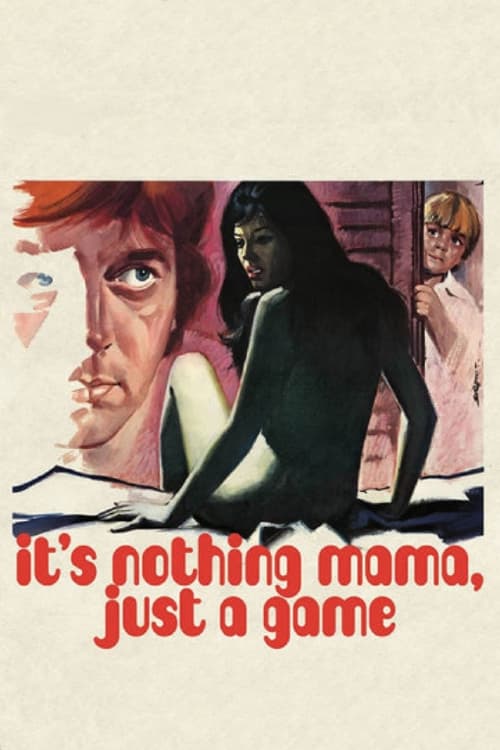
It's Nothing Mama, Just a Game
1974
No user ratings available yet
Diversity score: 3.2 out of 10
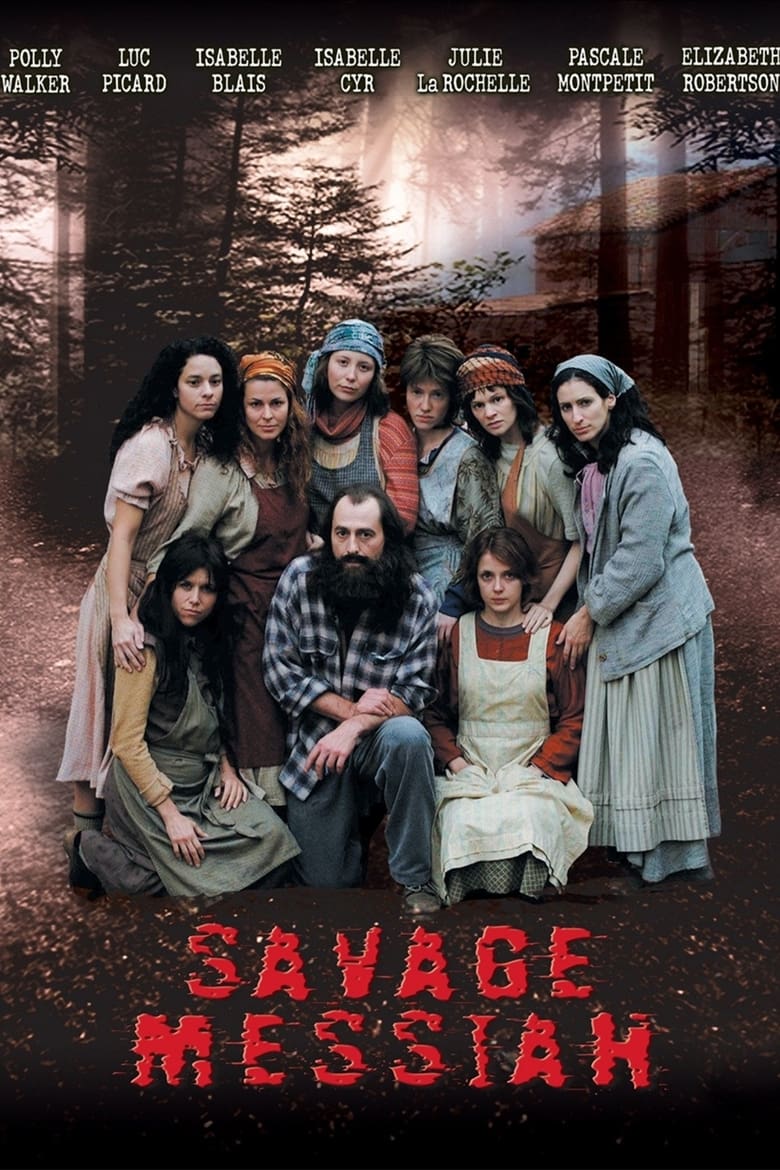
2002
Director
Mario Azzopardi
Runtime
94 minutes
Average Rating
No ratings yetSynopsis
As a small-town social worker investigates a commune headed by a spiritual leader calling himself Moses, she discovers a dead child, sadistic rituals, and ruthless mental and physical abuse.
Overall Score
Limited
Category Breakdown
LGBTQ+ Representation
The film utilizes homoerotic subtext between a sculptor and his protégé to heighten psychological tension. However, these elements serve dramatic intensity rather than providing a nuanced exploration of queer identity.
Gender Representation
Power dynamics center on male-dominated hierarchies and the volatility of male ego. Female characters primarily act as catalysts for the development of the male protagonists' arcs.
Racial & Ethnic Diversity
The cast appears largely homogeneous, reflecting the demographic norms of a 1960s high-art setting. There is no evidence of significant non-white agency or diverse casting.
Religious & Cultural Diversity
The narrative critiques organized spiritualism by portraying a cult leader as a source of systemic abuse. It focuses on individual psychological pathology rather than broader sociopolitical critiques.
Disability Representation
There is no discernible evidence of characters with visible or invisible disabilities within the film's narrative.
Strengths
Areas for Improvement
AI Analysis
Savage Messiah is a psychological thriller that prioritizes character study and individual obsession over progressive sociopolitical themes. The film's structure reinforces traditional hierarchies, particularly regarding male creative dominance and intellectual authority. While the film uses homoerotic subtext to complicate its central relationship, it lacks a framework for intersectional representation. The narrative remains largely centered on a homogeneous cast within a specific historical period. Ultimately, the film functions as a study of power imbalances and cult dynamics rather than a vehicle for diversifying the cinematic landscape.
1974
1977
2007
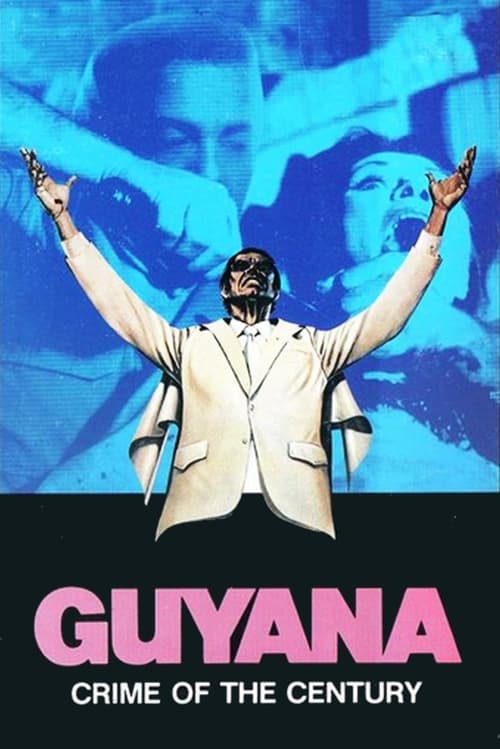
1979
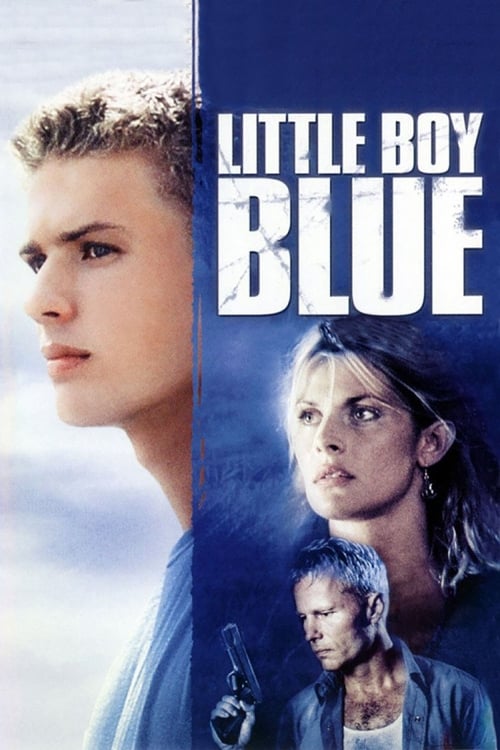
1997
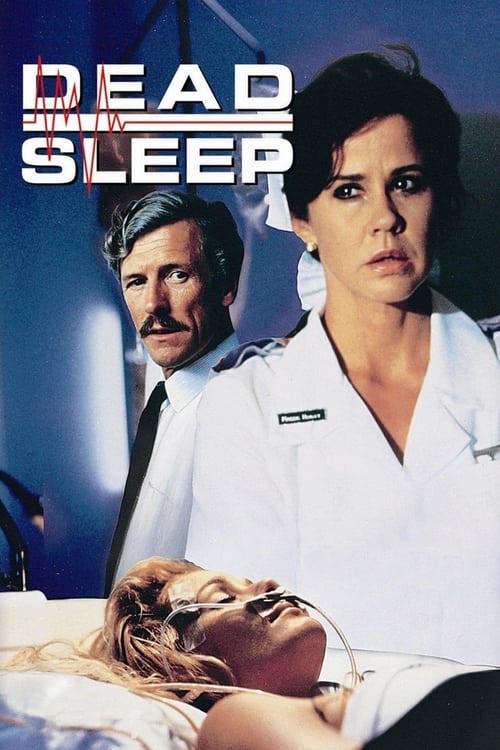
1990
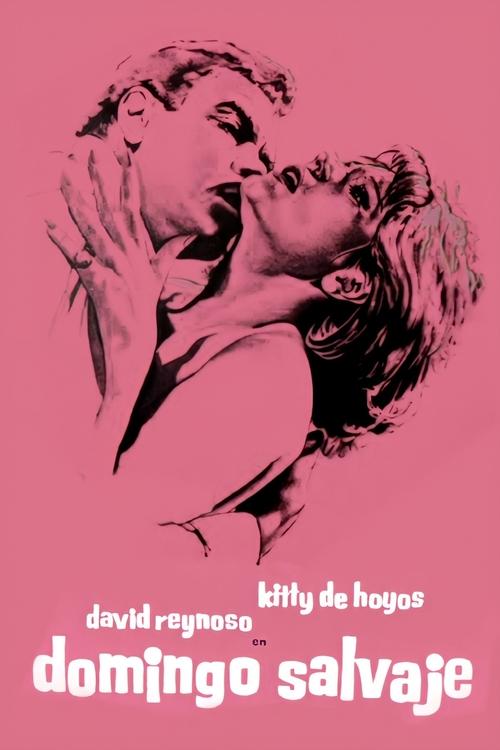
1967
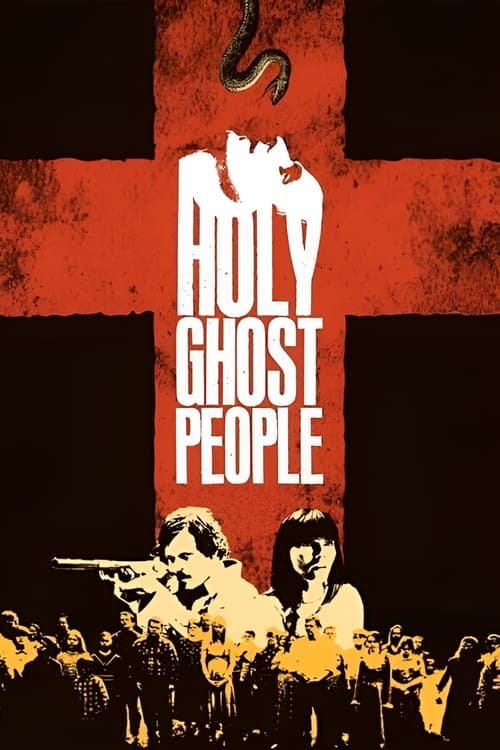
2014

2013
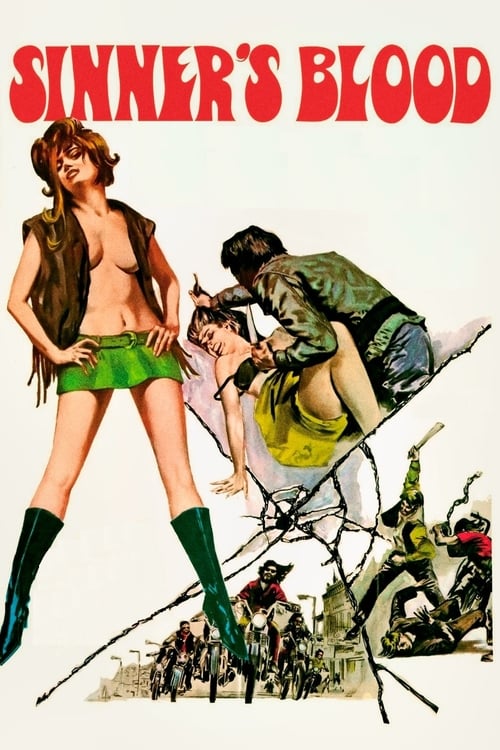
1969
2006
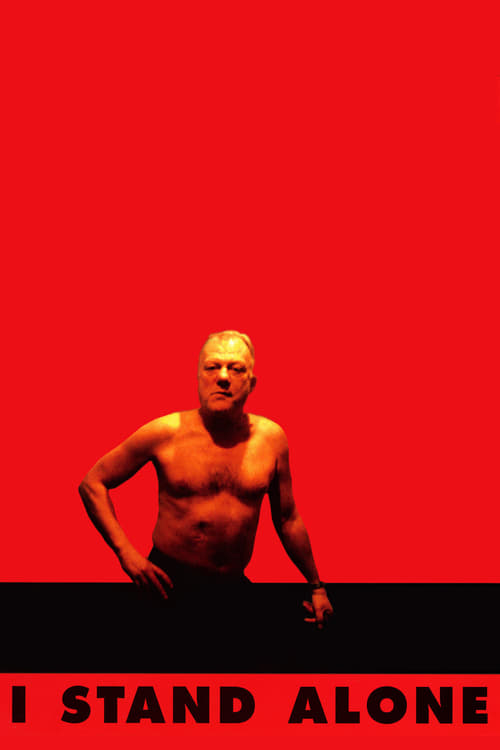
1999
No reviews yet. Be the first to share your thoughts on this movie!
Use the rating form above to leave a star rating and optional review.