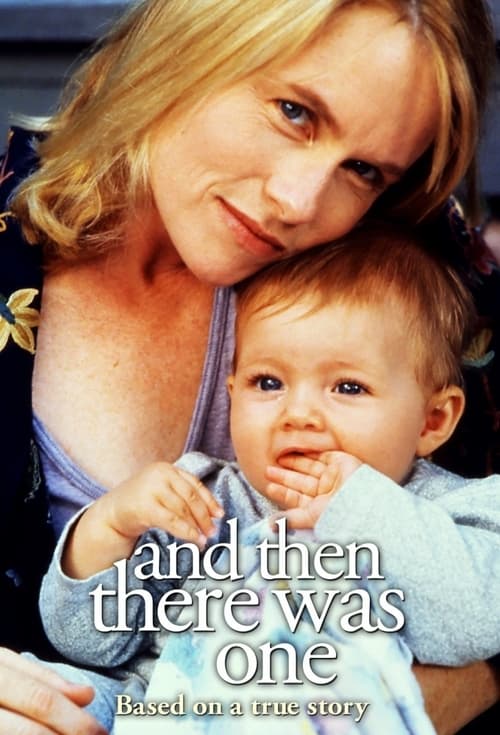
And Then There Was One
1994
No user ratings available yet
Representation score: 0.4 out of 10
Representation Score
Limited
1995
PG-13Director
Larry Elikann
Runtime
94 minutes
Average Rating
No ratings yetNew Showbiz Analysis
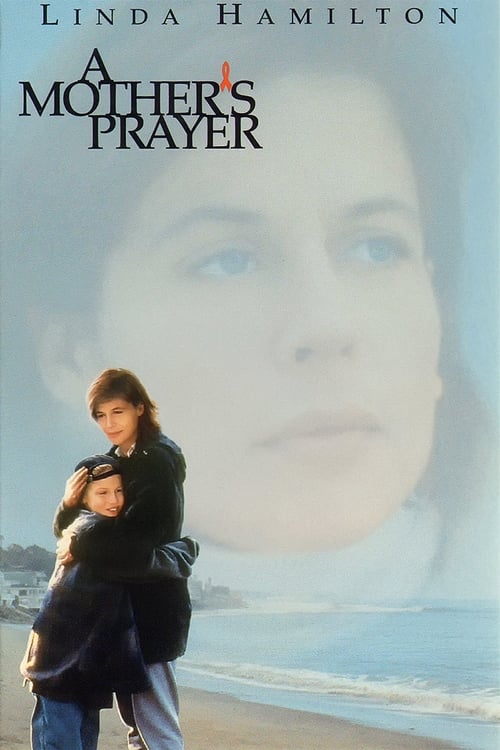
A Mother's Prayer is a mid-90s domestic drama that prioritizes individual emotional stakes over broader social critiques. It centers on a woman's struggle with terminal illness and single motherhood, using the medical crisis to drive a sentimental narrative about legacy. While the film touches on the reality of the AIDS epidemic, it does so through a lens of maternal responsibility. The narrative structure favors traditional familial roles and personal perseverance over identity-based ability to act or institutional critique. Ultimately, the film functions as a character study of a mother's sacrifice. It lacks the depth required to challenge social hierarchies or offer a nuanced examination of the social structures surrounding its central medical conflict.
Category Breakdown
The plot involves an AIDS diagnosis, connecting the story to LGBTQ+ history. However, the focus remains on maternal duties rather than queer identity or romantic relationships.
The film highlights female resilience through a widow navigating solo parenting. It relies on traditional clichés of maternal sacrifice and emotional labor at home.
There is no information available regarding the racial or ethnic composition of the cast or the setting.
The narrative emphasizes traditional values of family stability and the sanctity of the parent-child bond. It follows conventional Western dramatic structures.
The story addresses a life-altering medical condition. The illness serves primarily as a catalyst for domestic drama rather than a study of physical autonomy.
Present on Screen
Limited or Absent
Official Synopsis
Rosemary Holmstrom is struggling to bring up her son following the death of her husband. When she is diagnosed with AIDS, at first she refuses to believe it, but soon turns her attentions to the problem of what will happen to her son when she dies.
1994

2001
1988

1989
1997

1995

1985
1991
No reviews yet. Be the first to share your thoughts on this movie!
Use the rating form above to leave a star rating and optional review.