Our Sons
1991
No user ratings available yet
Representation score: 6.9 out of 10
Representation Score
Good
1985
Director
John Erman
Runtime
100 minutes
Average Rating
No ratings yetNew Showbiz Analysis
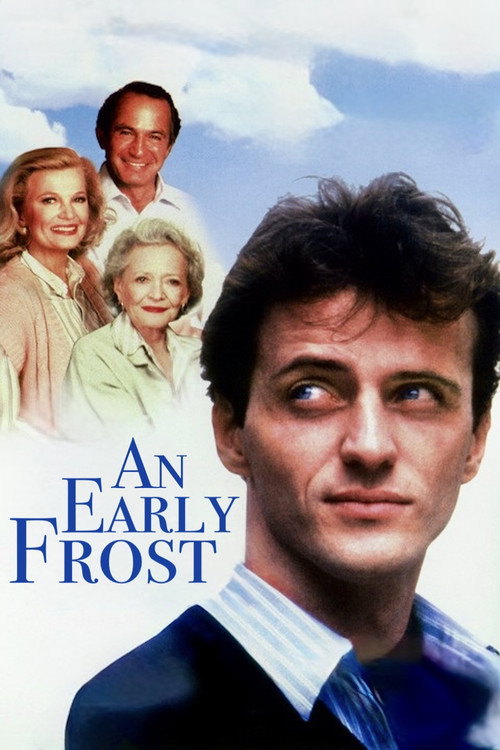
An Early Frost is a groundbreaking piece of television that brought queer lives into the mainstream. By centering a gay protagonist during the height of the 1980s epidemic, it challenged the social silence of the time. The film excels in its compassionate portrayal of LGBTQ+ identity and the terminal reality of illness. It avoids melodrama, offering a humanistic look at how a crisis forces a family to confront long-held secrets. While the film is limited by its lack of racial diversity and its narrow focus on a specific socioeconomic subset, its impact on visibility remains significant. It stands as a progressive milestone for its era.
Category Breakdown
The film highlights Michael's identity and his relationship with Peter, exploring the complexities of coming out and maintaining intimate connections.
The story looks at family dynamics through the lens of emotional labor, focusing more on emotional expression than on challenging gender power structures.
Set in a predominantly white, middle-class suburb, the film lacks diverse casting, reflecting the historical context of the early AIDS crisis.
The narrative criticizes the social indifference and moral judgments of the 1980s, framing societal reactions to the epidemic as systemic barriers to compassion.
The film offers a powerful depiction of the physical decline caused by AIDS, maintaining the protagonist's dignity while showing the harsh realities of the disease.
Present on Screen
Limited or Absent
Official Synopsis
Successful lawyer Michael Pierson is gay, but he has always hidden this part of his life from his mother, Katherine, father, Nick, and grandmother Beatrice. But when Michael discovers he has AIDS and is dying of complications from the disease, he must open up to his parents and the rest of his family. Though fearful of their reactions, he introduces them to his longtime lover, Peter, and looks to them for support.
1991

1993
1986

2001
1997
1995
1988

1992
No reviews yet. Be the first to share your thoughts on this movie!
Use the rating form above to leave a star rating and optional review.