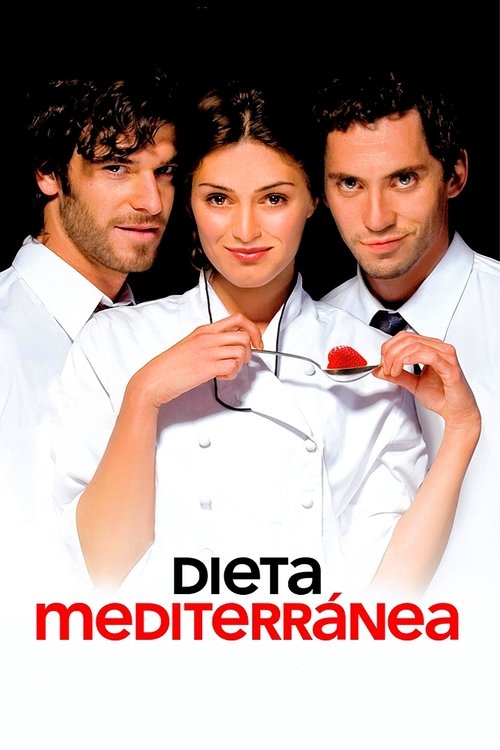
Mediterranean Food
2009
No user ratings available yet
Representation score: 4.7 out of 10
No Poster Available
Representation Score
Limited
2005
Director
Stergios Niziris
Runtime
96 minutes
Average Rating
No ratings yetNew Showbiz Analysis
The film opens with the sterile precision of a high-end kitchen, where Thodoros’s hands move with the mechanical grace of a surgeon. This visual language establishes the sold meaning: professional excellence is a form of spiritual discipline, a meritocracy where control equals virtue. Thodoros is framed as the ideal modern man—competent, restrained, and unburdened by the messiness of personal life. The camera loves his symmetry, treating his emotional detachment not as a flaw, but as the price of mastery. However, the narrative gradually erodes this hierarchy. Katerina’s presence introduces a chaotic, warm counter-narrative that the film ultimately validates over Thodoros’s rigid order. The conflict is not between good and evil, but between two modes of existence: the public, performative self and the private, vulnerable one. The film’s argument is that the “perfect” professional is actually hollow, and that true wholeness requires the abandonment of ego in favor of connection. The ending settles this tension by rejecting the professional hierarchy entirely. Thodoros, stripped of his status and his obsession, finds peace in a modest home kitchen. The last image is not a trophy or a title, but a relaxed face in a warm, intimate space. This final frame serves as the moral verdict: institutional success is a prison, and the only liberation is the return to the domestic, the imperfect, and the human. The film rewards the protagonist for learning to feel, positioning emotional availability as the highest form of competence.
Category Breakdown
The narrative remains strictly heteronormative, centering the romantic bond between Thodoros and Katerina. No queer characters, identities, or dynamics appear on screen.
Katerina serves as the moral anchor, her emotional warmth contrasting Thodoros’s sterile professional rigidity. The film frames domestic connection as the cure for male emotional coldness, rewarding the protagonist for abandoning ego for intimacy.
The cast is entirely Greek, reflecting the film’s specific national context. No racial diversity is depicted or addressed, as the story operates within a homogeneous middle-class social sphere.
Professional meritocracy is initially treated as the highest value, with Thodoros’s culinary obsession framed as a form of religious devotion. The ending subverts this, suggesting that institutional success is hollow without personal, familial connection.
No characters with disabilities appear. Physical bodies are presented as healthy and able-bodied, with no impairment serving as a plot point or character trait.
Present on Screen
Limited or Absent
Official Synopsis
Thodorakis, the film's hero, has a happy go-lucky attitude about life and women, but this all changes when he is forced by his uncle to train as a chef. He soon becomes a top chef and is so impressive that he enters a 'secret society' for chefs, who battle it out to see which one is the best. To his detriment he becomes so obsessive that the women in his life find him obnoxious and nothing seems likely to save him until the news of his patron's death slaps him in the face like a cold fish. In the end, the shock reminds him to keep his life in perspective.
2009
1976

2014
1996
2012
2009
2014
1989
No reviews yet. Be the first to share your thoughts on this movie!
Use the rating form above to leave a star rating and optional review.