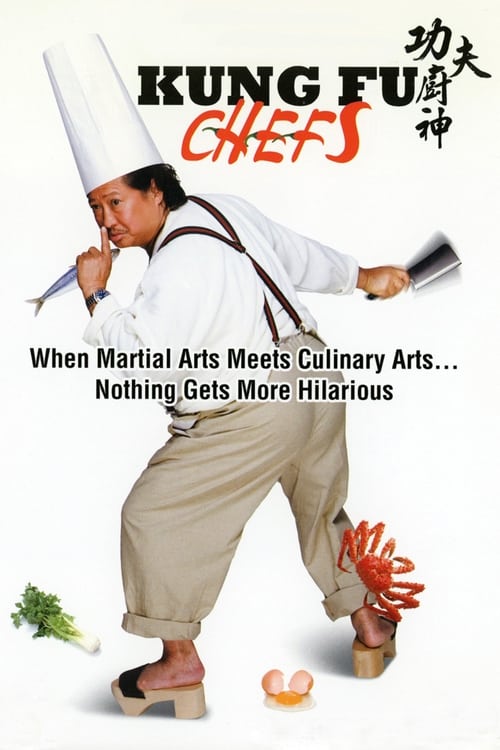
Kung Fu Chefs
2009
No user ratings available yet
Representation score: 2.6 out of 10
Representation Score
Fair
1996
Director
Stephen Chow, Lee Lik-Chi
Runtime
95 minutes
Average Rating
No ratings yetNew Showbiz Analysis
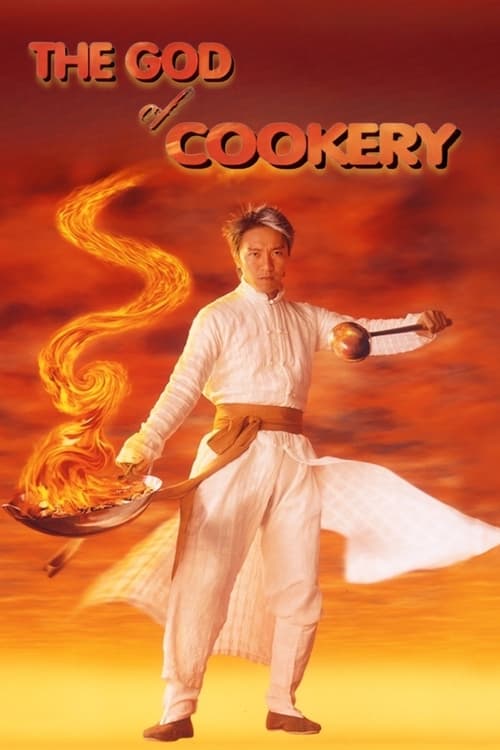
This postmodern comedy prioritizes social critique over identity politics. It effectively deconstructs professional ego and the influence of mass-produced commercialism through its unique 'mo lei tau' style. However, it remains tied to conventional 1990s archetypes, lacking significant LGBTQ+ representation and challenging traditional gender roles. The film's strengths lie in its cultural specificity and its use of disability as a meaningful narrative driver.
Category Breakdown
The film does not include any LGBTQ+ characters or non-straight relationships. The story focuses solely on the protagonist's journey and traditional comedic interactions.
Female characters mainly play supporting roles that reinforce traditional gender hierarchies. The narrative does not challenge patriarchal structures or give female characters significant control over the plot.
Set in a specific Hong Kong cultural context, the film avoids Western-centric norms but does not intentionally address racial diversity or multi-layered issues.
The story sharply critiques commercialized capitalism and superficial profit motives. It uses absurdity to challenge traditional social institutions and favors authentic craftsmanship over greed.
The protagonist's loss of taste serves as a central existential crisis. This physical change drives his character development without resorting to sentimentality.
Present on Screen
Limited or Absent
Official Synopsis
The most renowned and feared chef in the world loses his title of God of Cookery because of his pompous attitude. Humbled, he sets out to reclaim his title.
2009
1994
2020
1994
2007
1995
1979
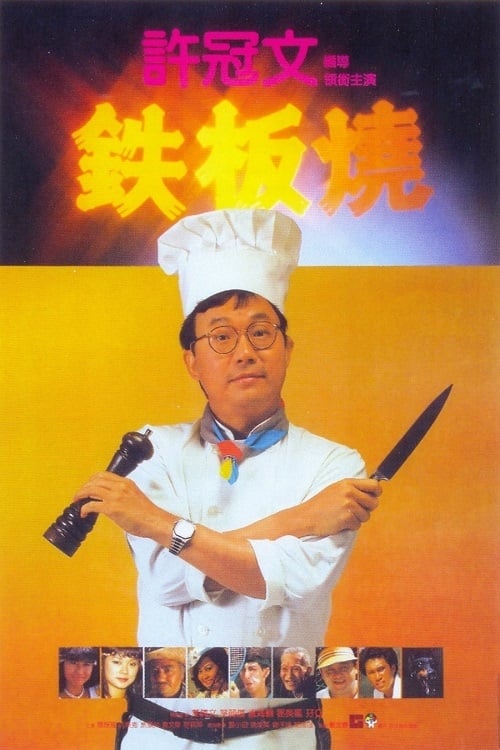
1984
No reviews yet. Be the first to share your thoughts on this movie!
Use the rating form above to leave a star rating and optional review.