
Honey
1981
No user ratings available yet
Diversity score: 4.9 out of 10
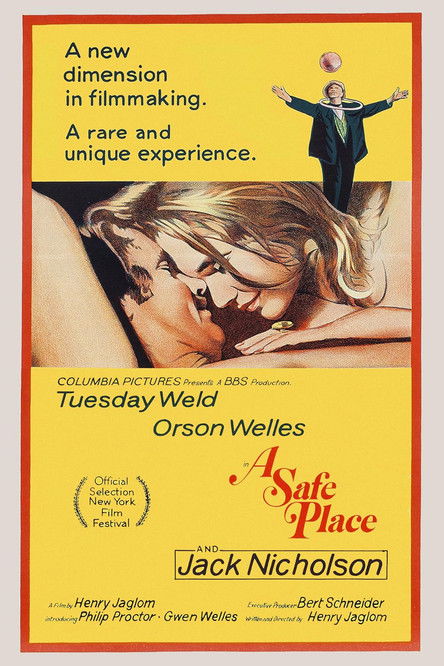
1971
PGDirector
Henry Jaglom
Runtime
94 minutes
Average Rating
No ratings yetSynopsis
Noah, a young woman who lives alone in New York, is dating two very different men, Fred and Mitch, at the same time. However, she realises that neither man can totally fulfil her needs.
Overall Score
Fair
Category Breakdown
LGBTQ+ Representation
The film explores sexual fluidity and the rejection of monogamous stability. However, it lacks explicit depictions of non-cisnormative identities or specific LGBTQ+ character arcs.
Gender Representation
The narrative centers female agency by focusing on Noah's internal psychological struggles. It subverts patriarchal dynamics by depicting male leads as emotionally unfulfilling.
Racial & Ethnic Diversity
The film reflects a relatively homogeneous social circle of urban bohemians. There is no significant evidence of intersectional racial blending or high-agency characters of color.
Religious & Cultural Diversity
The story critiques traditional Western social institutions and the nuclear family ideal. It favors individualistic truths over rigid, organized social norms.
Disability Representation
The film explores themes of psychological vulnerability and loneliness. There is no specific evidence regarding the portrayal of visible or invisible disabilities.
Strengths
Areas for Improvement
AI Analysis
Henry Jaglom’s work prioritizes psychological realism and character-driven intimacy over traditional studio structures. This approach allows for a meaningful subversion of gender hierarchies, placing the female experience at the center of the narrative. While the film succeeds in deconstructing conventional relationship structures and patriarchal tropes, it remains limited by the era's demographic focus. The social landscape appears largely homogeneous, lacking significant racial or LGBTQ+ visibility. Ultimately, the film functions as a postmodern critique of social stability. It uses an improvisational style to favor fluid, situational truths over the polished, hierarchical storytelling found in mainstream cinema.
1981

1959

1973
1985
1960

1963

1964
2007
2021

2011
1976
2016
No reviews yet. Be the first to share your thoughts on this movie!
Use the rating form above to leave a star rating and optional review.