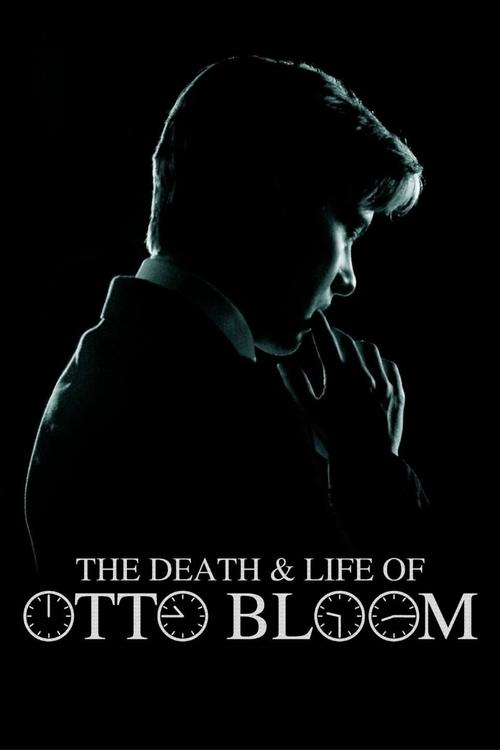
The Death and Life of Otto Bloom
2016
No user ratings available yet
Diversity score: 4.5 out of 10

2011
Director
Stéphane Lafleur
Runtime
90 minutes
Average Rating
No ratings yetSynopsis
Benoit and Maryse are a brother and sister leading seemingly normal lives. Everything is changed by a series of coincidences and the arrival of a man claiming to come from the future.
Overall Score
Fair
Category Breakdown
LGBTQ+ Representation
The film lacks explicit queer narratives or non-heteronormative identities. The focus remains on the immediate familial ties of the siblings within a cisnormative framework.
Gender Representation
Maryse and Benoit are placed on equal footing, suggesting a departure from rigid patriarchal hierarchies. The narrative explores gendered spaces through a fragmented, postmodern lens.
Racial & Ethnic Diversity
The production reflects a relatively homogeneous social environment centered on a specific Quebecois lineage. There is no evidence of intersectional casting or diverse ensemble expansion.
Religious & Cultural Diversity
Lafleur uses temporal instability to disrupt traditional Western notions of causality. The film critiques the perceived stability of modern social institutions through domestic dysfunction.
Disability Representation
The story does not feature neurodivergence or physical disability as central themes. Instead, it focuses on the psychological and temporal disruptions of the main characters.
Strengths
Areas for Improvement
AI Analysis
Familiar Grounds functions as a moderate exploration of social dynamics by disrupting traditional narrative cohesion. It avoids reinforcing linear hierarchies through its postmodern structure, yet it lacks the intersectional complexity needed for a higher score. The film's strength lies in its ability to destabilize domestic stability and traditional roles via its fragmented storytelling. However, it remains limited by a lack of explicit demographic diversity and a focus on a homogeneous social setting. Ultimately, the work prioritizes psychological and temporal disruption over overt representation of marginalized identities or diverse cultural backgrounds.
2016
2012
1987

2013

2018
2015
2011

2017
2011

2015
2009
2008
No reviews yet. Be the first to share your thoughts on this movie!
Use the rating form above to leave a star rating and optional review.