Time Out
2018
No user ratings available yet
Representation score: 4.5 out of 10
Representation Score
Good
2006
Director
Erik Richter Strand
Runtime
103 minutes
Average Rating
No ratings yetNew Showbiz Analysis
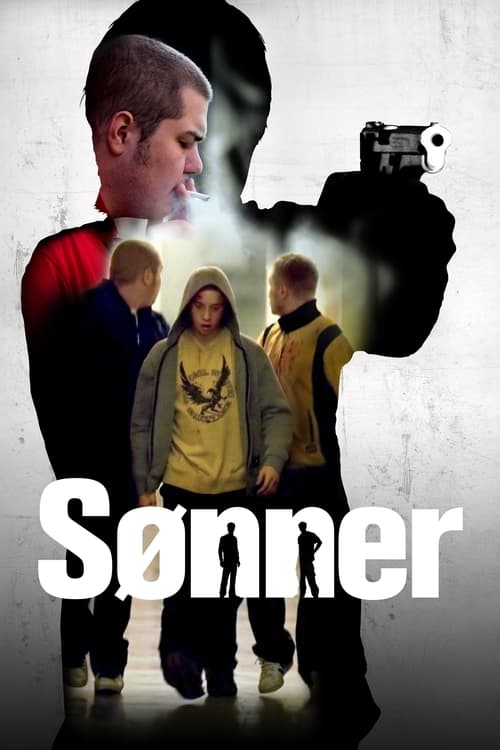
Sons offers a gritty deconstruction of the 'protector' archetype, focusing on the volatile intersection of trauma and systemic failure. It avoids traditional moral clarity, instead presenting a cycle of violence that critiques individualistic retribution. The film's strength lies in its refusal to provide a comfortable framework, opting for a complex study of human dysfunction. It successfully challenges traditional male clichés by portraying ability to act as a source of destruction rather than stability. However, the narrative lacks diversity in terms of racial and queer representation. The setting remains largely homogeneous, and the exploration of psychological instability serves the plot's tension rather than providing nuanced disability representation.
Category Breakdown
The plot focuses on sexual misconduct and predatory behavior involving teenage boys. However, the film does not explore queer identity or non-cisgender expressions, using the subject matter primarily to drive the protagonist's psychological descent.
Lars subverts masculine archetypes by presenting a protagonist defined by instability rather than competence. The film critiques traditional masculine roles through a lens of destructive rage and uncontrolled impulses.
The narrative appears to focus on a relatively homogeneous Danish suburban setting. There is no evidence of significant racial blending or a multicultural cast within this localized social framework.
The film critiques the effectiveness of Western institutions like the law and the family. It explores a subjective morality where the protagonist bypasses communal structures to enact personal justice.
The story explores psychological volatility and the mental health implications of trauma. While no physical disabilities are mentioned, the protagonist's rage suggests a preoccupation with neuro-psychological instability.
Present on Screen
Limited or Absent
Official Synopsis
Trouble starts when Lars, a 25-year-old with few prospects for the future, discovers that an older man is fooling around with the teenage boys in his suburb. A terrible rage is triggered in Lars, and he embarks on a crusade to stop the abuser. But it soon spins out of control, and Lars' actions end up endangering those he set out to protect.
2018

2008

2022

2000

2007

2001

2017

2004
No reviews yet. Be the first to share your thoughts on this movie!
Use the rating form above to leave a star rating and optional review.