Wild Things
1998
No user ratings available yet
Representation score: 3.7 out of 10
Representation Score
Fair
2001
RDirector
David Siegel, Scott McGehee
Runtime
101 minutes
Average Rating
No ratings yetNew Showbiz Analysis
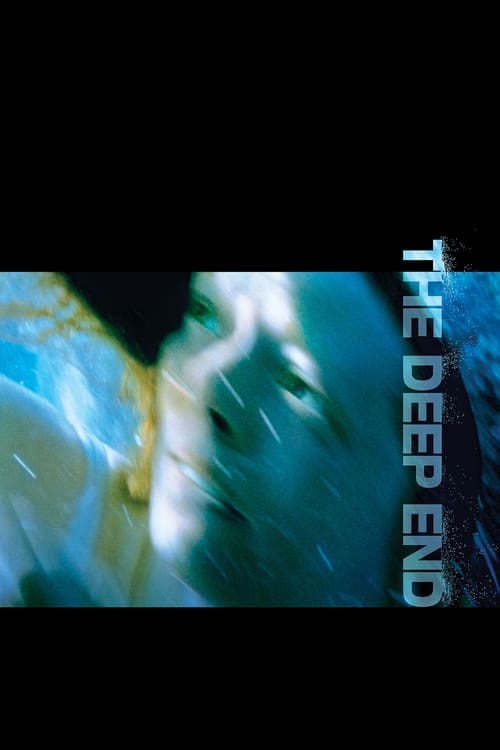
The Deep End is a nuanced exploration of identity that places queer experiences at its emotional core. By focusing on the psychological realities of same-sex attraction, the film challenges the social pressures of a restrictive environment. While the film excels in its application of queer theory and moral relativism, it remains limited by its lack of racial and ethnic diversity. The homogeneous, white, rural setting restricts the scope of its social commentary, preventing a more multi-layered perspective. Ultimately, the film is a study of individual authenticity against the weight of social conformity.
Category Breakdown
The film focuses on a romantic relationship between two teenage boys and uses the tension around coming out to drive the plot. It critiques the assumption that everyone is straight or cisgender within a conservative setting.
The story challenges traditional masculine stereotypes by highlighting the vulnerability and emotional intimacy of its male characters. It also explores the role of mothers in protecting and supporting their children within the home.
The cast and setting are predominantly white and rural, lacking diverse racial backgrounds. There is no characters who reflect more than one aspect of diversity within the main character arcs.
The narrative questions institutional norms by prioritizing personal morality over communal traditions. It portrays conservative social structures as restrictive forces rather than moral guides.
There are no prominent depictions of physical or neurodivergent disabilities that serve as central character traits or drive the plot.
Present on Screen
Limited or Absent
Official Synopsis
With her husband Jack perpetually away at work, Margaret Hall raises her children virtually alone. Her teenage son is testing the waters of the adult world, and early one morning she wakes to find the dead body of his gay lover on the beach of their rural lakeside home. What would you do? What is rational and what do you do to protect your child? How far do you go and when do you stop?
1998
1993
1996
2004

2011

1986
1997

2022
No reviews yet. Be the first to share your thoughts on this movie!
Use the rating form above to leave a star rating and optional review.