Askari
2001
No user ratings available yet
Diversity score: 5.6 out of 10
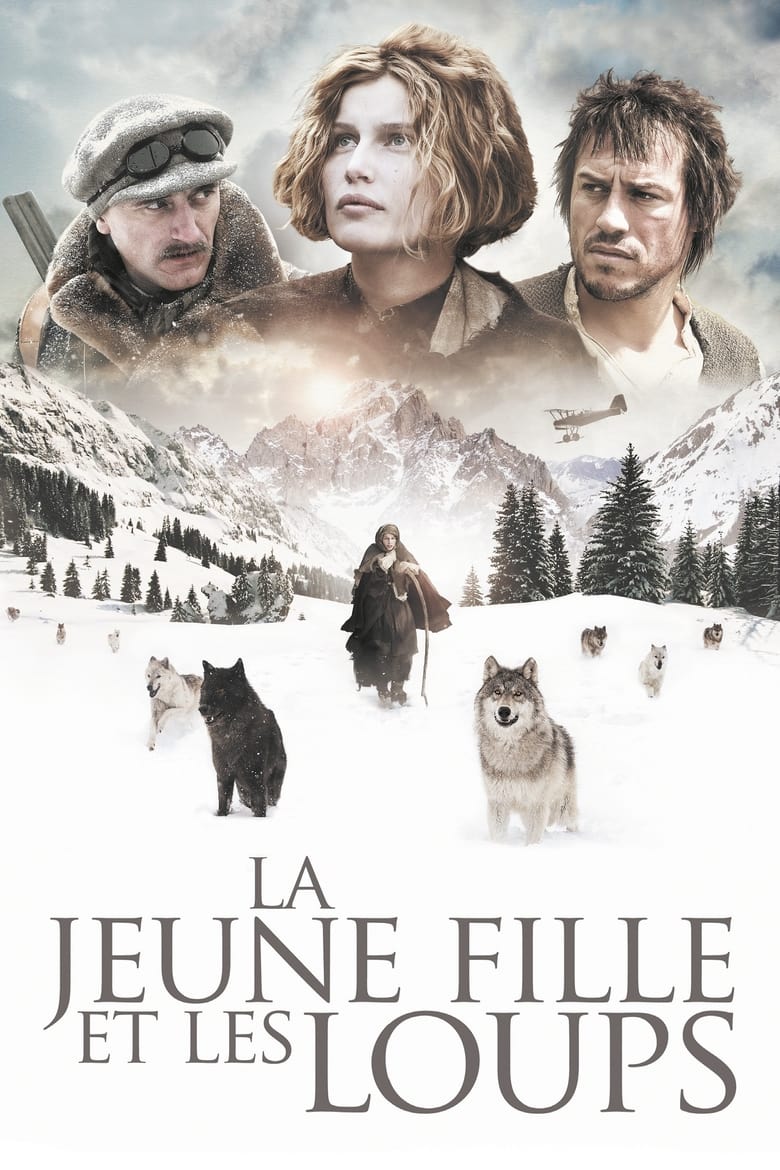
2008
Director
Gilles Legrand
Runtime
110 minutes
Average Rating
No ratings yetSynopsis
Not long before World War I, in a French Alpine town near the Italian border, a pack of slaughtered wolves is delivered to local taxidermist Leon (Patrick Chesnais). A surviving black cub comes down from the mountains looking for his family, and is saved from discovery and certain death by Leon’s young daughter Angele, who releases him back into the wild. The Great War comes and goes, making local foundry owners the Garcins rich. Family patriarch Albert Garcin (Michel Galabru), who happens to be Angele’s godfather, has given a free lifetime’s lease of a shack in the hills to a gypsy woman (played in flashbacks by Elisa Tovati in which she’s seen, literally, having dances with wolves on stage). Her son Guiseppe (Stefano Accorsi), who appears to be slightly mentally handicapped, guards the wolves he’s befriended up there, especially the black pack leader he calls Carbone.
Overall Score
Fair
Category Breakdown
LGBTQ+ Representation
The film lacks explicit depictions of LGBTQ+ identities or non-heteronormative relationships. The narrative focuses instead on familial bonds and the connection between humans and nature.
Gender Representation
Angele serves as a central protagonist whose agency drives the moral landscape. However, the presence of a traditional patriarch suggests a conventional social hierarchy remains in place.
Racial & Ethnic Diversity
The story includes a gypsy woman and her son to establish a marginalized presence. The mother's mythic role, dancing with wolves, moves her beyond a mere background character.
Religious & Cultural Diversity
The film examines the friction between settled capitalist structures and nomadic lifestyles. It explores how industrial progress and global conflict reshape local social hierarchies.
Disability Representation
Guiseppe provides neurodivergent representation through his mental handicap. It remains unclear if he possesses full narrative agency or if his condition serves as a character trope.
Strengths
Areas for Improvement
AI Analysis
The film offers a period-specific look at shifting social landscapes in pre-and-post-WWI Europe. It successfully integrates marginalized ethnic and neurodivergent characters to explore themes of nature versus industrial progress. While the narrative centers on a female protagonist, it operates within a traditional patriarchal framework. The inclusion of ethnic minorities adds depth, though the depiction of disability lacks clear evidence of character-driven agency. Ultimately, the film's strength lies in its exploration of social friction and the tension between the wild and the encroaching modern state.
2001
1989

2023
2010
1999
2008
2005
1983

1977

2004
2005

2006
No reviews yet. Be the first to share your thoughts on this movie!
Use the rating form above to leave a star rating and optional review.