
Charlie Bartlett
2008
No user ratings available yet
Representation score: 6.3 out of 10
Representation Score
Fair
2011
RDirector
Azazel Jacobs
Runtime
105 minutes
Average Rating
No ratings yetNew Showbiz Analysis
Terri is a character-driven film that emphasizes individual alienation rather than broader societal critiques. While it effectively challenges the idealized nuclear family by depicting parental inadequacies, it remains limited in its demographic focus. The narrative is deeply rooted in a specific, homogeneous suburban experience, which limits its multi-layered scope. Ultimately, the film serves as a psychological portrait of a single demographic rather than a diverse social landscape.
Category Breakdown
The film does not include any LGBTQ+ characters or storylines. It focuses on heterosexual relationships and typical adolescent development.
Terri plays a significant role in driving the story, but her interactions are often defined by conflicts with male figures. The film challenges traditional gender roles by showing the father as emotionally inadequate.
The cast is made up of a homogeneous, white, middle-class group. There is no indication of diverse ethnic backgrounds or color-blind casting.
The narrative centers on the psychological struggles of a dysfunctional family. It portrays domestic issues as a common part of suburban life.
The film deals with adolescent alienation and emotional withdrawal as character traits. It does not address neurodivergence or specific disabilities as central themes.
Present on Screen
Limited or Absent
Official Synopsis
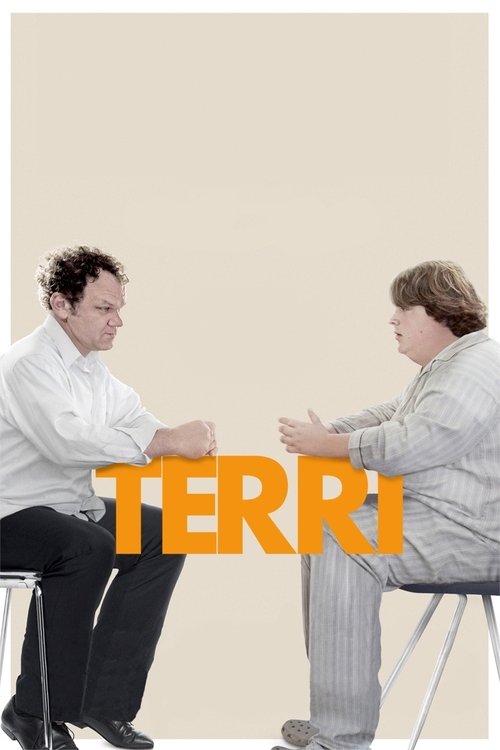
Terri, a pajama-clad, disaffected high school student learns how to engage the world with the help of Mr. Fitzgerald, his assistant principal.
2008

2018

2006

2007

2013

2010

1999
2016
No reviews yet. Be the first to share your thoughts on this movie!
Use the rating form above to leave a star rating and optional review.