Daydream Believers: The Monkees' Story
2000
No user ratings available yet
Representation score: 2.8 out of 10
Representation Score
Fair
1995
PG-13Director
Sandy Johnson
Runtime
115 minutes
Average Rating
No ratings yetNew Showbiz Analysis
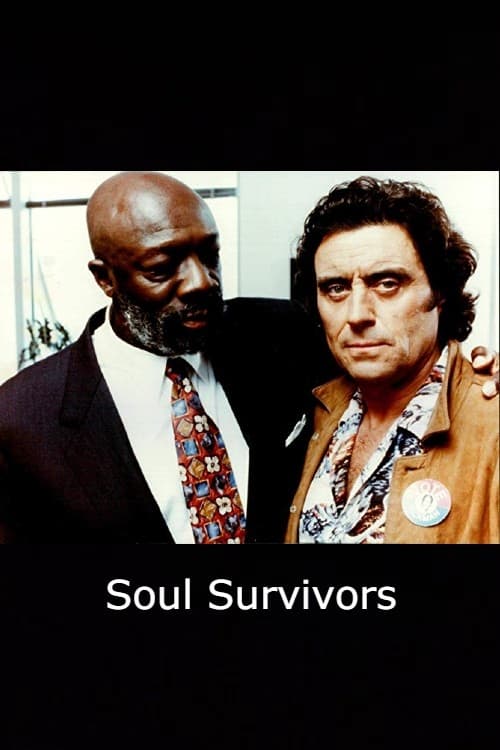
Soul Survivors stands out for its strong focus on Black ability to act and cultural preservation. By following a DJ's quest to reunite a Black soul band, the film celebrates historical preservation and provides a significant counter-narrative to the era's cinematic norms. However, the film lacks depth in exploring broader identity complexities. The narrative structure remains rooted in traditional social hierarchies and gender roles, missing opportunities to delve into more diverse identity issues. Ultimately, while the film excels in racial representation, its narrow focus on conventional social structures limits its overall diversity impact.
Category Breakdown
The film does not include any LGBTQ+ coded subtext or non-cisgender identities. Instead, it focuses on heterosexual social hierarchies within the teenage peer group.
Female characters exist within the social hierarchy, but the narrative leans towards traditional adolescent roles. There is little evidence of challenging gendered power dynamics.
The film centers an almost entirely Black cast and explores the experiences of Black youth in the American South. This disrupts the Anglo-centric lens common in 1990s cinema.
The story emphasizes communal identity and the emotional resonance of soul music. It avoids singular Western morality by focusing on a specific subcultural community.
There is no discernible evidence regarding the portrayal of visible or invisible disabilities. No characters appear to be used as plot devices related to health conditions.
Present on Screen
Limited or Absent
Official Synopsis
Otis Cooke is a DJ with a late-night American soul music programme in Liverpool. His favorite band, The Tallahassees, disbanded years ago, but their biggest hit, "Pickin' Up the Pieces," was never released in England. The film recounts Cooke's adventures and misadventures as he travels to the U.S., finds the band members, and convinces them to get back together for a reunion tour of the U.K and the release of their old songs on CD.
2000

1998
1983
2008
2000
1986

2013

2012
No reviews yet. Be the first to share your thoughts on this movie!
Use the rating form above to leave a star rating and optional review.