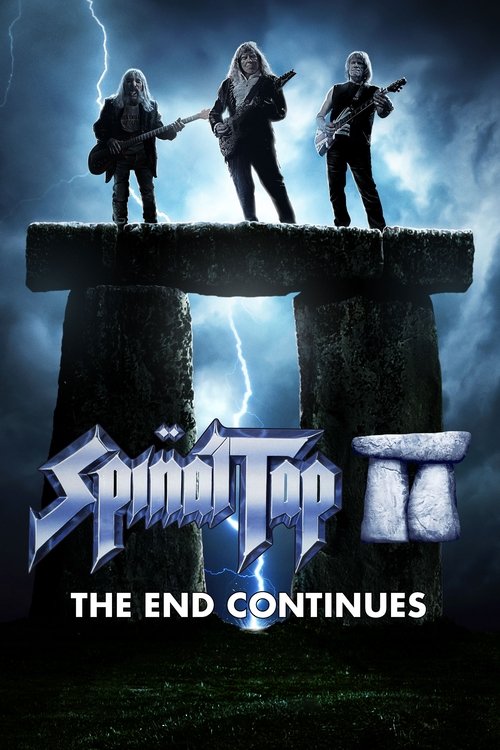
Spinal Tap II: The End Continues
2025
No user ratings available yet
Representation score: 8.0 out of 10
Representation Score
Fair
1998
RDirector
Brian Gibson
Runtime
95 minutes
Average Rating
No ratings yetNew Showbiz Analysis
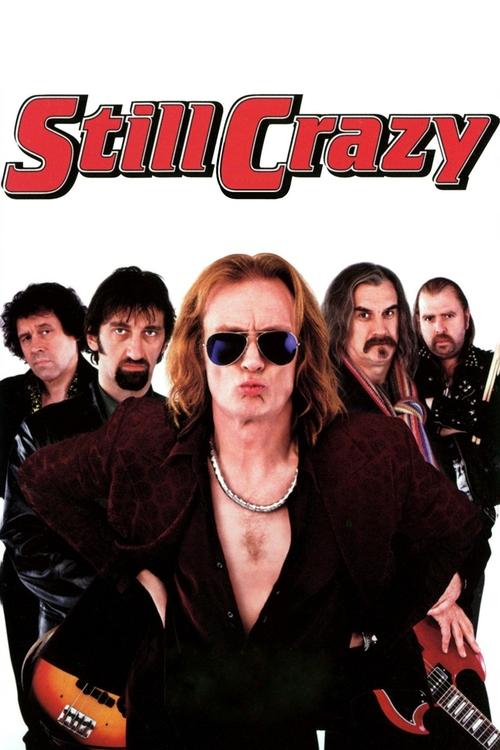
Still Crazy is a period-specific comedy that prioritizes musical nostalgia and genre clichés over social critique. The narrative relies on traditional character archetypes and a homogeneous social setting, which limits its scope for characters who reflect more than one aspect of diversity. The film captures the aesthetic of the 1970s rock era but does so through a narrow lens. It adheres to the historical visual norms of the time without attempting to expand or diversify the multicultural musical landscape. Ultimately, the film's architecture reinforces established social hierarchies rather than challenging them, resulting in a limited exploration of diverse identities and lived experiences.
Category Breakdown
The film focuses almost exclusively on heterosexual and cisgender dynamics within a 1970s rock band. There is a notable absence of LGBTQ+ characters or explorations of non-cisgender identities.
Karen provides essential professional competence and plays a significant role in driving the reunion plot. However, the narrative remains centered on the male band members' journey of redemption and self-discovery.
The cast reflects a predominantly white, Anglo-centric view of the 1970s rock scene. It lacks a diverse racial tapestry, presenting a relatively homogeneous social environment.
The story explores themes of nostalgia and the chaotic rock lifestyle. It functions as a celebration of individualistic rebellion and the pursuit of personal legacy.
There is no significant or meaningful representation of physical, neurodivergent, or mental health disabilities. Characters are defined by professional failures rather than intersections with disability.
Present on Screen
Limited or Absent
Official Synopsis
In the 1970s, Strange Fruit were it. They lived the rock lifestyle to the max, groupies, drugs, internal tension and an ex front man dead from an overdose. Even their demise was glamorous; when lightning struck the stage during an outdoor festival. Twenty years on, these former rock gods they have now sunk deep into obscurity when the idea of a reunion tour is lodged in the head of Tony, former keyboard player of the Fruits. Tony sets out to find his former bandmates with the help of former manager Karen to see if they can recapture the magic and give themselves a second chance.
2025
2018

2024
2001

2023
2008
2025
2008
No reviews yet. Be the first to share your thoughts on this movie!
Use the rating form above to leave a star rating and optional review.