High Explosive
1943
No user ratings available yet
Diversity score: 1.8 out of 10
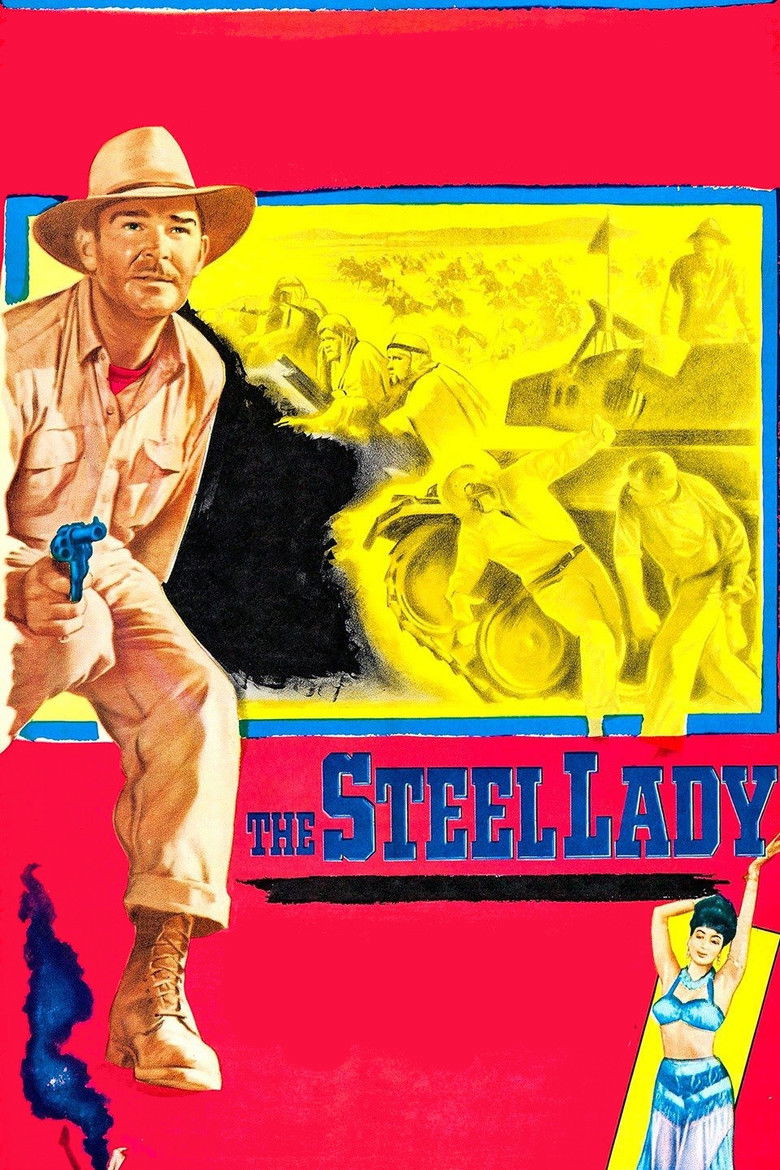
1953
NRDirector
E.A. Dupont
Runtime
84 minutes
Average Rating
No ratings yetSynopsis
Surviving a plane crash in the Sahara, four oilmen find and manage to repair a German Afrika Corps tank which had been buried in the sand since WWII.
Overall Score
Limited
Category Breakdown
LGBTQ+ Representation
The film features a homogenous ensemble of four oilmen. There is no evidence of non-cisnormative identities or narratives that challenge heteronormativity.
Gender Representation
The story centers on male characters navigating survival and technical labor. It appears to reinforce traditional masculine archetypes and gendered divisions of leadership.
Racial & Ethnic Diversity
While set in the Sahara, the focus remains on the white oilmen. The narrative likely follows the period-typical trope of Westerners in exotic landscapes.
Religious & Cultural Diversity
The plot emphasizes mechanical survival and historical military artifacts. It lacks themes that deconstruct Western institutions or offer diverse cultural perspectives.
Disability Representation
The available narrative details do not mention any characters with visible or invisible disabilities.
Strengths
Areas for Improvement
AI Analysis
The Steel Lady is a mid-century adventure drama that adheres strictly to the social hierarchies of 1953. The narrative is built around a group of four men, prioritizing masculine agency and mechanical problem-solving over social complexity. Because the film focuses on survivalist tropes and the reclamation of military technology, it lacks intersectional depth. The setting suggests a colonial-era perspective where the protagonists remain the central focus of the desert landscape. Ultimately, the film functions as a traditional genre piece. It reflects the era's cinematic conventions by centering a homogenous group of men within a survivalist framework.
1943
1961
1963

1951

1968

2015

1958
1952

1964

1947
1948
1943
No reviews yet. Be the first to share your thoughts on this movie!
Use the rating form above to leave a star rating and optional review.