Darby's Rangers
1958
No user ratings available yet
Representation score: 2.9 out of 10
Representation Score
Limited
1968
PGDirector
Edward Dmytryk, Duilio Coletti
Runtime
117 minutes
Average Rating
No ratings yetNew Showbiz Analysis
Anzio is a conventional historical war drama that follows the cinematic standards of the late 1960s. The film prioritizes tactical realism and military hierarchy over challenging social norms. The narrative structure reinforces traditional power dynamics, emphasizing masculine leadership and Western institutional control. It functions as a typical epic of its time without a progressive critique. Overall, the film does not aim to disrupt established social or identity-based hierarchies, staying within the confines of mid-century war cinema.
Category Breakdown
The film is set in a hyper-masculine WWII beachhead environment where there are no non-cisgender identities or same-sex relationships.
Male military figures have the most influence, while female characters play minor, passive roles that support traditional gender roles.
The cast is predominantly white and European, reflecting the Mediterranean theater without prioritizing non-white characters or challenging traditional casting.
The story emphasizes wartime patriotism and military duty, focusing on the struggles of established institutions without deconstructing Western social structures.
Physical injuries are used to highlight the brutality of combat, but there is no representation of neurodivergent individuals or characters with disabilities taking an active role.
Present on Screen
Limited or Absent
Official Synopsis
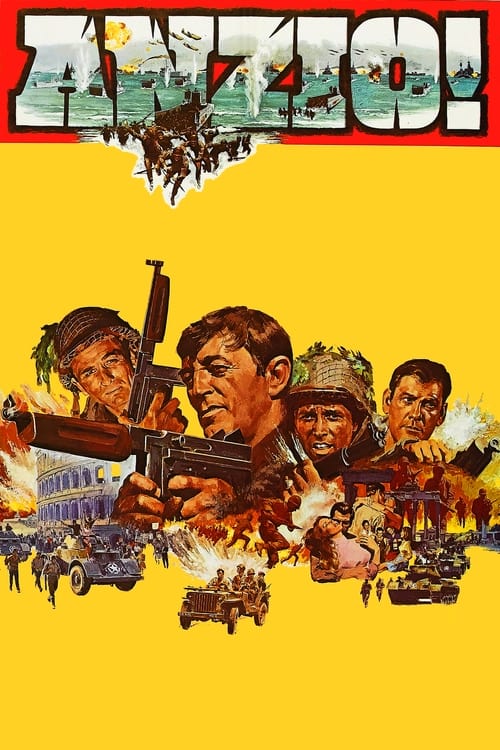
American troops land unopposed on Italian beaches during World War II, but instead of pushing on to Rome, they dig in and the Germans fight back ferociously.
1958
1951

1942
1969
1979
1966
1952
1965
No reviews yet. Be the first to share your thoughts on this movie!
Use the rating form above to leave a star rating and optional review.