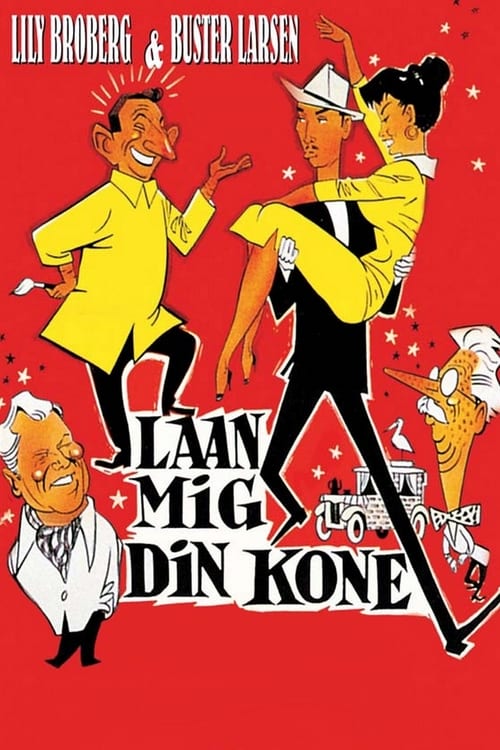
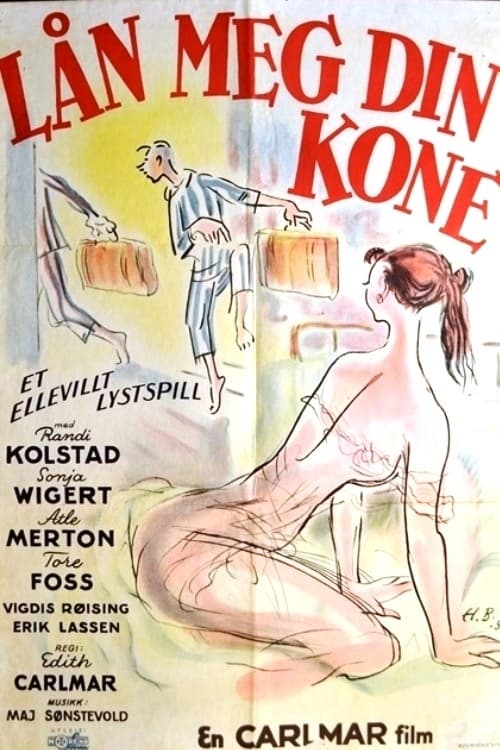
Lån mig din kone
1957
No user ratings available yet
Representation score: 1.4 out of 10
Representation Score
Limited
1958
Director
Edith Carlmar
Runtime
83 minutes
Average Rating
No ratings yetNew Showbiz Analysis
Lend Me Your Wife is a product of its time, characterized by the demographic homogeneity typical of 1958 Norway. The narrative depends heavily on traditional comedic formulas and straight-centered structures, limiting its range of representation. However, the film carries significant historical importance through its director, Edith Carlmar, who was Norway's first female director. Her presence provides a notable subversion of the male-dominated industry of the era. While the plot’s transactional view of marriage is problematic, the film offers a subtle critique of rigid corporate hierarchies.
Category Breakdown
The film does not include any explicit LGBTQ+ characters or explore non-straight relationships. The story revolves around a conventional romantic misunderstanding between a married couple and a bachelor.
The movie critiques the patriarchal structure of corporate environments by highlighting the absurdity of hiring based on marital status. However, the idea of 'borrowing' a wife can be seen as treating women as transactional objects.
The setting and period imply a homogeneous Norwegian population. There is no indication of multicultural casting or themes that reflect diverse backgrounds.
The film challenges rigid professional norms by ridiculing institutional rules. However, it adheres closely to the social morals of the 1950s era.
There is no mention of the portrayal of physical or neurodivergent disabilities in this production.
Present on Screen
Limited or Absent
Official Synopsis
This is a light comedy from Edith Carlmar, Norways first woman director. It takes place in a company that sells baby toys. It is time to fill a leading position, and it is known the owner of the company only places married men on leading positions. This leads a young bachelor to "borrow" his best friends wife to have a chance at the position. This leads to a lot of comic misunderstandings, not the least because the owner of the company himself falls for the new young wife.
1957
1978
1961
2010

1967
1963

1967
1978
No reviews yet. Be the first to share your thoughts on this movie!
Use the rating form above to leave a star rating and optional review.