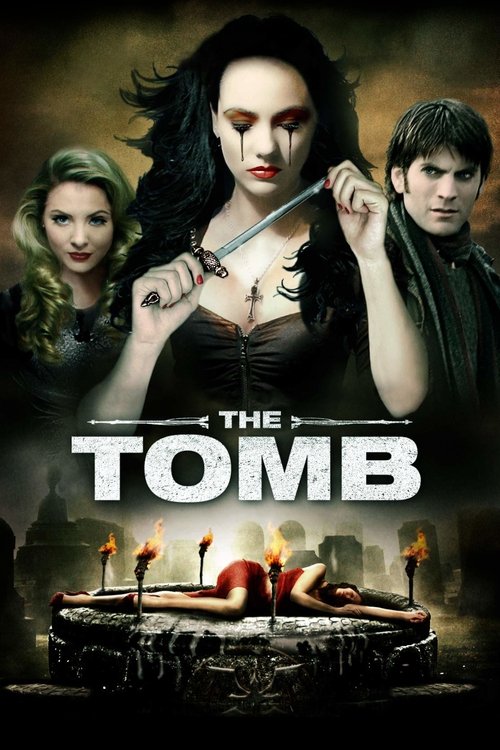
The Tomb
2009
No user ratings available yet
Diversity score: 3.2 out of 10
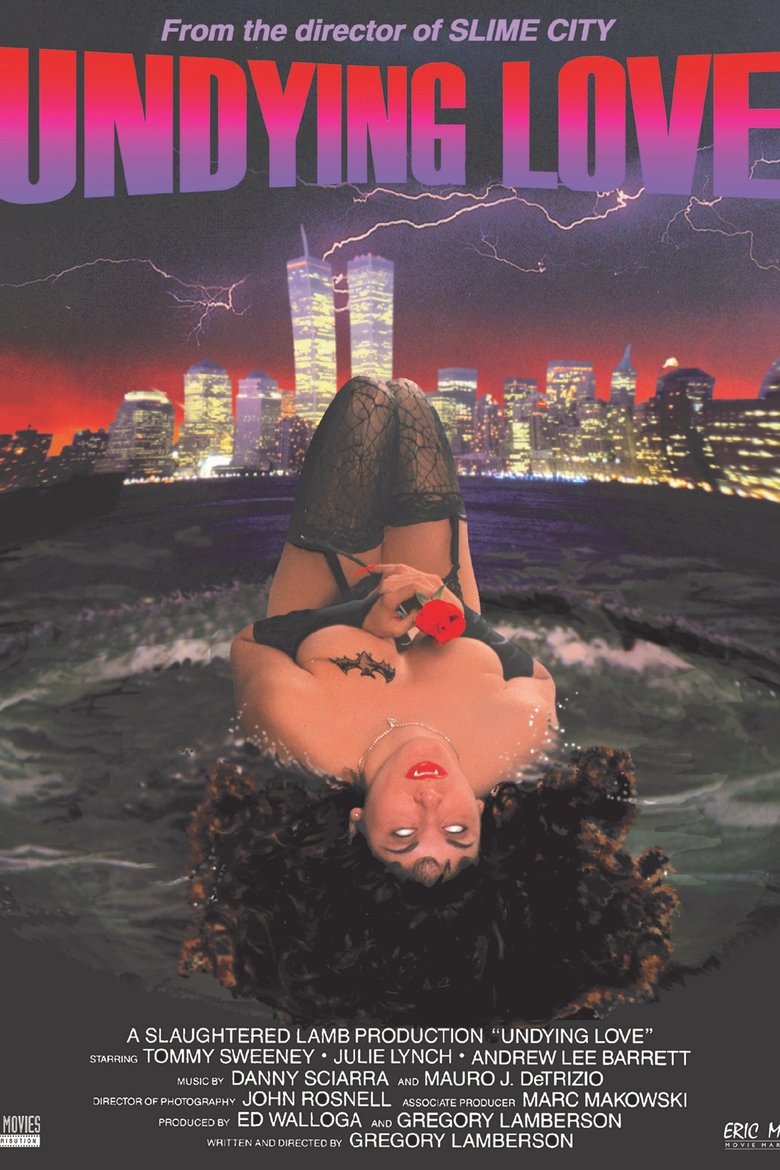
1991
Director
Greg Lamberson
Runtime
73 minutes
Average Rating
No ratings yetSynopsis
A young man (Tommy Sweeney) who's depressed about his failed suicide attempt, winds up going to a friends party anyway. Although his friends seem insensitive about his plight, he meets a model who sheds a different light on death.
Overall Score
Limited
Category Breakdown
LGBTQ+ Representation
The film lacks explicit LGBTQ+ characters or non-cisnormative identities. The narrative focuses on a central heterosexual romantic encounter.
Gender Representation
The story follows a traditional trajectory where a female character redirects a male protagonist's crisis. This suggests a conventional romantic rescue trope rather than an exploration of female agency.
Racial & Ethnic Diversity
There is no indication of a diverse or non-Anglo-Saxon majority cast. The focus on a singular protagonist and a model suggests a reliance on conventional casting norms.
Religious & Cultural Diversity
The film explores existentialism and depression through a subjective lens. However, it does not explicitly challenge Western institutions or traditional family structures.
Disability Representation
Mental health is introduced through the protagonist's depression and suicide attempt. These themes appear to serve as a catalyst for the romance rather than a nuanced exploration of lived experience.
Strengths
Areas for Improvement
AI Analysis
Undying Love operates within the conventional horror and drama tropes of the early 1990s. The narrative centers on an individual psychological struggle that ultimately resolves through a romantic connection, prioritizing genre-standard plot beats over social critique. The film lacks intentionality regarding intersectional representation. It relies on traditional character dynamics, such as the male protagonist being emotionally redirected by a female counterpart, which reinforces standard social hierarchies rather than subverting them. While the film touches on mental health, these elements function primarily as narrative devices to drive the plot. The overall presentation reflects the era's tendency toward individualistic storytelling and conventional casting.
2009
1980
2008

2000
1993
1995
2001
1990
1989

1994
2002
2002
No reviews yet. Be the first to share your thoughts on this movie!
Use the rating form above to leave a star rating and optional review.