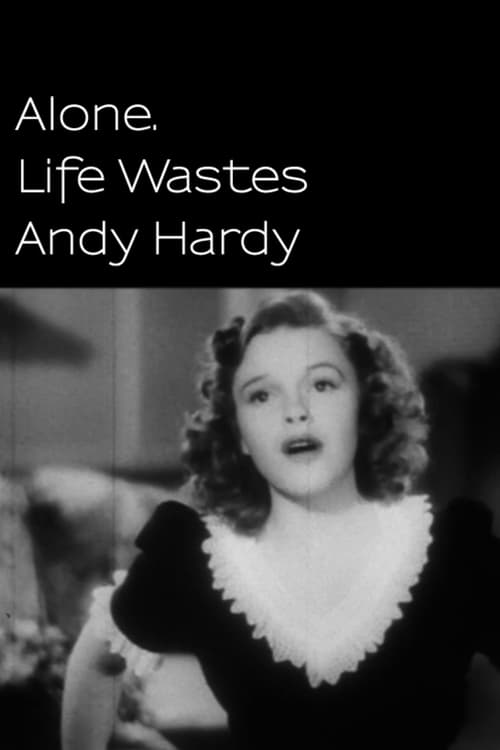
Alone. Life Wastes Andy Hardy
1998
No user ratings available yet
Representation score: 4.7 out of 10
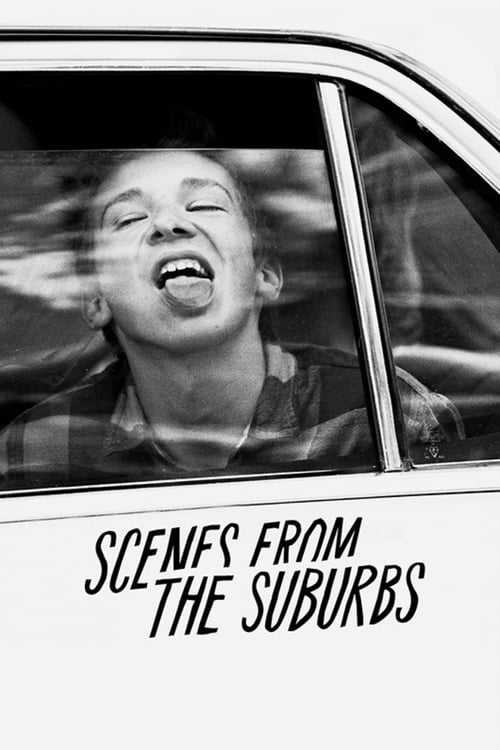
Representation Score
Excellent
2011
Not RatedDirector
Spike Jonze
Runtime
29 minutes
Average Rating
No ratings yetNew Showbiz Analysis
Spike Jonze employs a non-linear, modernist approach to examine identity within a dystopian suburb. The film excels in deconstructing traditional Western institutions and subverting standard masculine hero clichés through a focus on memory. However, the work lacks clear depictions of specific queer identities or non-straight-centered relationships. While the setting suggests a critique of social uniformity, the actual representation of these groups remains unverified in the narrative. Ultimately, the film explores individual psychology more than diverse social groups, trading traditional character types for a fragmented, subjective view of reality.
Category Breakdown
The film's dystopian suburban setting hints at a critique of traditional social structures. However, there are no explicit depictions of queer identities or relationships outside of typical heterosexual ones.
The story breaks down traditional masculine roles by emphasizing psychological breakdown rather than conquest. This shifts away from the usual linear hero storyline.
The score reflects a baseline level of inclusion within a suburban framework. There is no specific evidence provided regarding the ethnic composition of the cast or characters.
The film questions the idealized Western suburban dream, seeing domestic stability as fractured or oppressive. It focuses on individual experiences rather than cohesive social morals.
The protagonist’s struggle with fragmented memories symbolizes neurodivergence or cognitive issues. This centers the story on an internal, non-standard psychological state.
Present on Screen
Limited or Absent
Official Synopsis
A resident of a suburban dystopia tries to reassemble his fragmented memories of life as a teen.
1998

2013
2014

2014

2023
1988

2016
2011
No reviews yet. Be the first to share your thoughts on this movie!
Use the rating form above to leave a star rating and optional review.