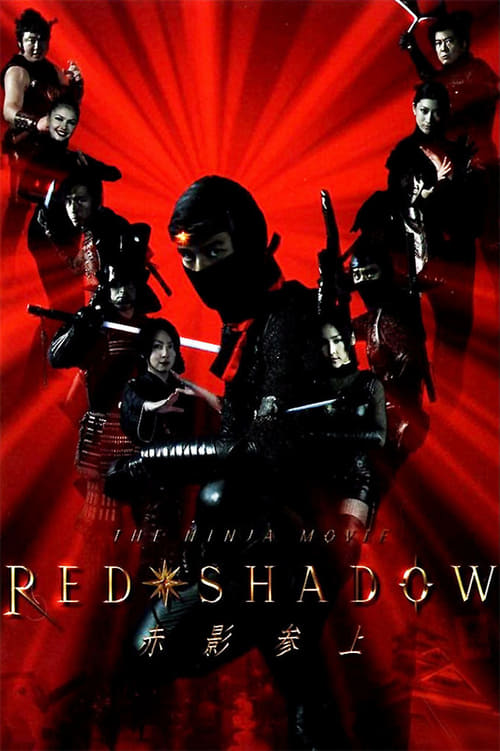
Red Shadow
2001
No user ratings available yet
Representation score: 3.2 out of 10
Representation Score
Good
2004
Director
Masayuki Suzuki
Runtime
102 minutes
Average Rating
No ratings yetNew Showbiz Analysis
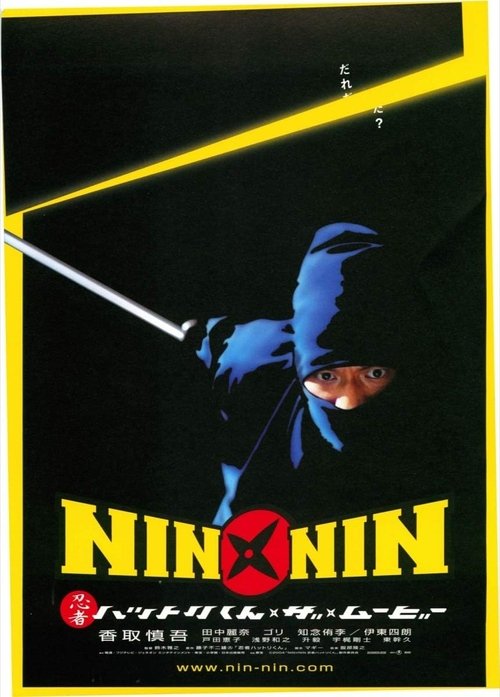
The film is a traditional coming-of-age adventure that finds its strength in challenging standard power dynamics. By placing a child in charge of a martial expert, it subverts traditional hierarchies. However, the narrative remains tied to conventional clichés. Romantic motivations and gender roles follow predictable patterns, and the cultural setting is homogeneous, limiting broader diversity representation. Ultimately, the work offers meaningful character development regarding social isolation and duty, even while adhering to established cinematic structures.
Category Breakdown
The story follows a typical romantic storyline focused on Kenichi's crush on Midori. There is no clear indication of queer subtext or non-straight identities.
The film challenges traditional gender roles by having a young boy become the master of a trained ninja. However, Midori mainly serves as a catalyst for male growth rather than an independent character.
Set in Edo, the film features a culturally uniform Japanese cast. It highlights specific folklore and identity rather than showcasing a diverse or multi-ethnic ensemble.
The narrative explores Japanese traditions such as the ninja code and clan rivalries. It examines the decline of ancient social orders through the conflict between Iga and Koga ninjas.
Kenichi's social anxiety and introversion provide a nuanced look at non-conforming social behavior. His story focuses on personal empowerment rather than being used for inspirational purposes.
Present on Screen
Limited or Absent
Official Synopsis
Kanzo Hattori, an apprentice Ninja, leaves his home town of Iga for his final training. He must go to the city of Edo (Tokyo), and the first person he meets shall be his master, whom he must protect with his life, whilst upholding the ninja code. Also while in Edo, Hattori must find out why their rivals, the Koga Ninjas, are flourishing while the Iga Ninjas are dying out. Hattori's master is Kenichi, a 9 year old boy. Kenichi is an introvert and not very popular boy, so he never plays with the other children from school. Kenichi also has a secret crush on a young lady called Midori, yet he's too shy to speak to her. Though as he watches Hattori trying his best, he too begins to try. Meanwhile, people are being found unconscious, their bodies completely unmarked. All the victims have a tattoo (the Koga Ninja crest) and are found with a throwing knife lying close by.
2001
1972
2013

2005
2008

2020

1998

1997
No reviews yet. Be the first to share your thoughts on this movie!
Use the rating form above to leave a star rating and optional review.