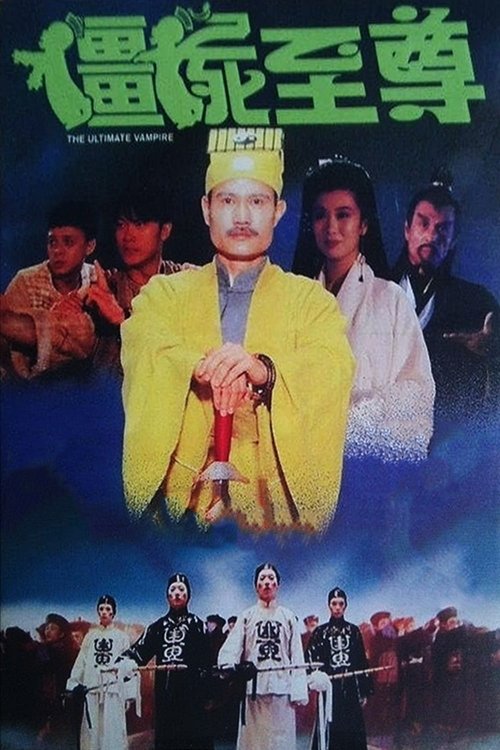
The Ultimate Vampire
1991
No user ratings available yet
Representation score: 3.7 out of 10
Representation Score
Fair
2014
Director
Daniel Chan Yee-Heng
Runtime
96 minutes
Average Rating
No ratings yetNew Showbiz Analysis
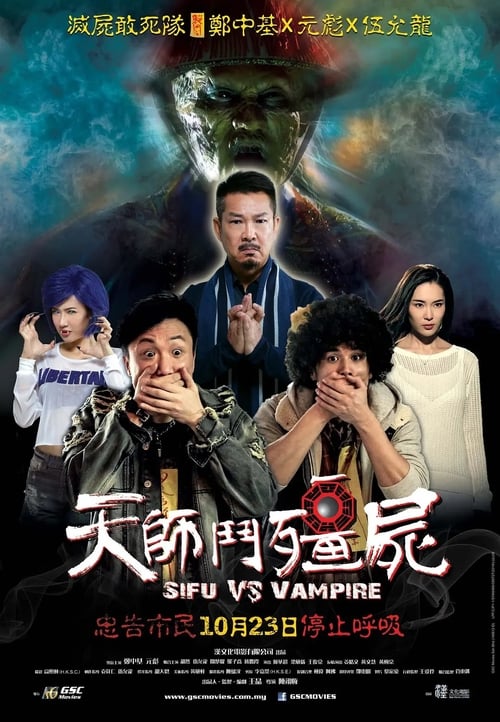
Sifu vs. Vampire is a genre-specific action-comedy that prioritizes cultural specificity over diverse representation. It successfully presents a non-Western worldview through its focus on Taoist rituals and ancestral veneration. However, the film relies on traditional gender dynamics and lacks visible LGBTQ+ representation. The narrative structure favors male-driven action and conventional familial roles. The most progressive element is the moral conflict presented by the protagonist, who challenges the ethics of established rituals against the pressures of modern capitalism.
Category Breakdown
The film does not include any explicit LGBTQ+ characters or narratives. The storyline revolves around family lineage and traditional ritualistic duties.
The narrative emphasizes male-driven action and ancestral lineage. Female characters such as Nicky and Boo play supporting roles, primarily assisting the male protagonist.
The film centers on Chinese folklore and Taoist rituals. This provides a strong departure from Western norms by grounding the story in a non-Western framework.
The story examines the tension between individual ethics and traditional ancestral customs. It questions the necessity of maintaining hierarchies for prosperity.
There is no evident portrayal of physical or neurodivergent disabilities in this work.
Present on Screen
Limited or Absent
Official Synopsis
It is said that a corpse should be exhumed and moved every 30 years to ensure continued fortune and prosperity for its descendants. As the time limit is nearing for his grandfather's corpse, TV station boss Kelvin Chow (Kelvin Kwan, Tales from the Dark 2) looks to Charlie Jiang (Yuen Biao), whose ancestors performed the ritual for the Chow family, to complete the task. When Jiang refuses, citing his belief that the ritual is unethical, Chow enlists Nicky and Boo to coerce him into it. However, a series of accidents causes the corpse to be delivered to and left at Chow's TV station, unleashing a bloodbath.
1991
1985
1987
2013
1992
1982
1989
1980
No reviews yet. Be the first to share your thoughts on this movie!
Use the rating form above to leave a star rating and optional review.